With Icelanders set to vote August 29 on whether to resume EU accession negotiations, the country’s last commercial whaling company faces an uncertain future.
REYKJAVÍK, Iceland — August 26, 2026 — For decades, Iceland has stood apart from much of Europe by continuing to allow commercial whaling.
Now, as the country approaches a pivotal vote on whether to reopen negotiations to join the European Union, the future of Icelandic whaling may be facing its greatest political challenge yet.
The August 29 referendum will not determine whether Iceland joins the EU. It will determine whether the country resumes accession negotiations. But if Iceland ultimately becomes a member, EU protections for cetaceans would fundamentally change the legal landscape for commercial whaling.
And there is only one company left to defend the practice.
One Company. One Man. One Failing Industry.
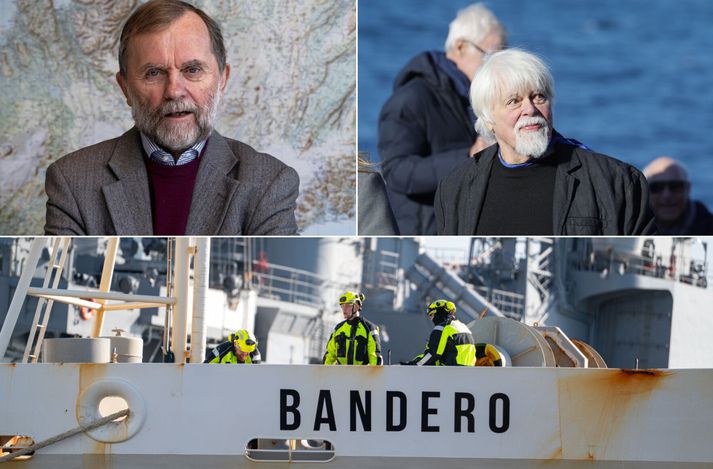
Hvalur hf, led by veteran whaler Kristján Loftsson, is Iceland’s only remaining commercial whaling company.
After years without hunting, Hvalur returned to sea in 2026 with authorization to kill up to 150 fin whales and 168 minke whales. The company has killed more than 1,000 fin whales since resuming commercial whaling in 2009.
But the economic case for continuing is increasingly difficult to understand.
Hvalur has historically depended heavily on Japan for its fin whale meat. In February 2023, Japan received a shipment of 2,576 tonnes of Icelandic fin whale meat, while demand for whale meat in Japan has continued to decline dramatically.
Hvalur did not hunt in 2025, citing poor economic conditions for selling whale meat.
Now it is hunting again.
So the question remains:
If the market is shrinking, demand is declining and international opposition is mounting — why continue?
Is this an industry responding to market demand, or one man’s determination to keep an increasingly obsolete industry alive?
A Hunt Under Increasing Scrutiny
During the 2026 season, the Captain Paul Watson Foundation has documented Hvalur’s operations both at sea and at its processing station in Hvalfjordur and submitted observations to MAST, Iceland’s Food and Veterinary Authority.
The official monitoring data has already documented prolonged killing.
In one case, a fin whale was struck four times over approximately 31 minutes before being determined to be dead.
The brutality did not end when the whales were killed.
In four documented instances during the 2026 hunt, unborn whale fetuses were ripped from the bodies of their dead mothers at Hvalur’s processing station.
The disturbing footage underscores the reality behind an industry in which pregnant whales can be killed.
The question is simple:
Can a method that can require multiple harpoon strikes and leave a whale struggling for tens of minutes ever be considered humane?
The Captain Paul Watson Foundation believes the answer is no.
Operation 86
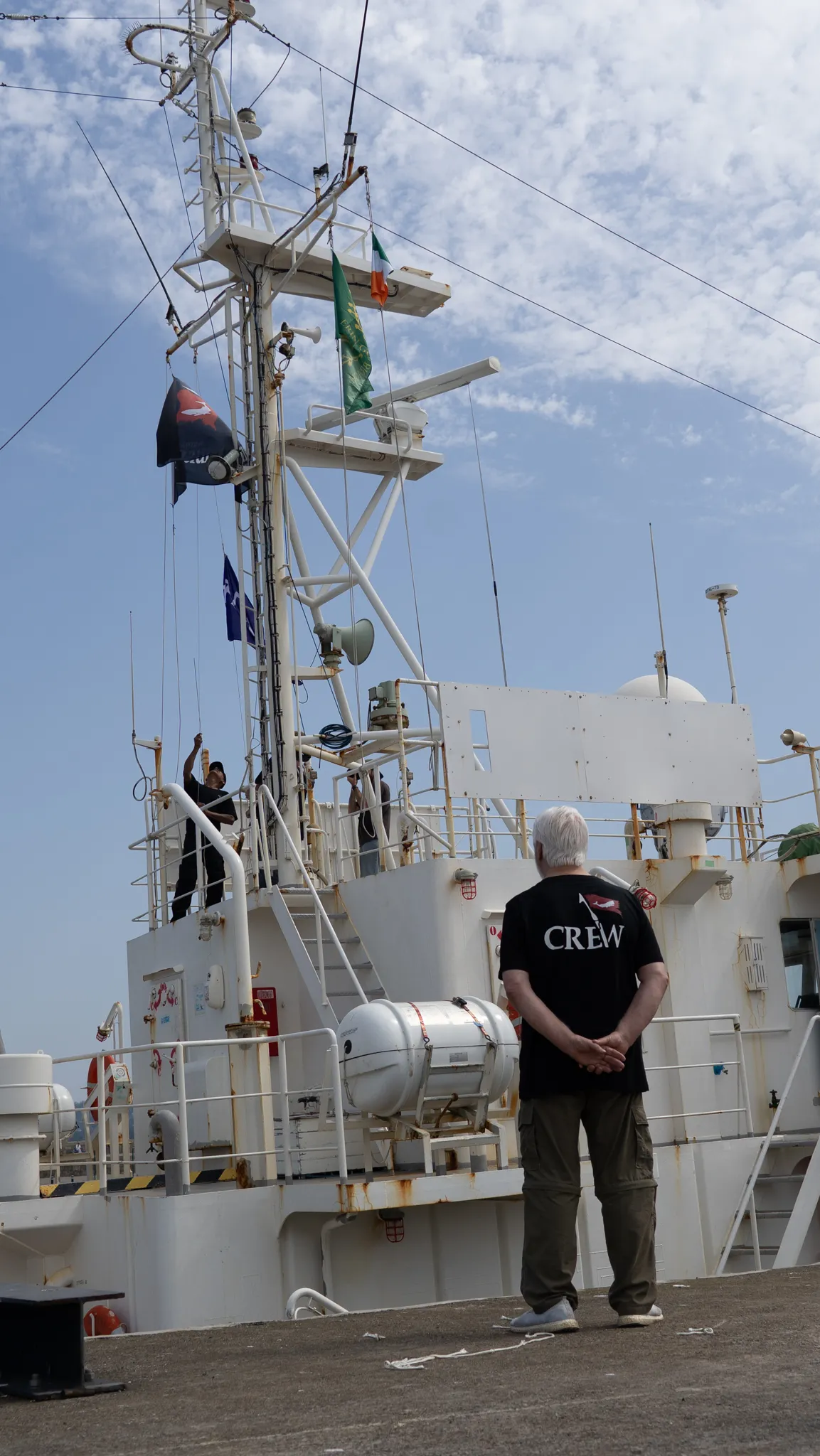
Operation 86 was launched by the Captain Paul Watson Foundation to expose and oppose Iceland’s continued commercial whaling.
So far in the 2026 season, Hvalur hf has killed 59 fins whales, way below the quota they set out to fulfill. The biggest reduction in whales killed comes from the presence of the Bandero — according to Loftsson, his ships constantly had to reroute, flee and switch to new hunting grounds to avoid a confrontation.
As the Bandero attempted to locate Hvalur’s whaling vessels, the operation became a confrontation not only over whales, but over how far Icelandic authorities would go to protect the country’s remaining whaling industry.
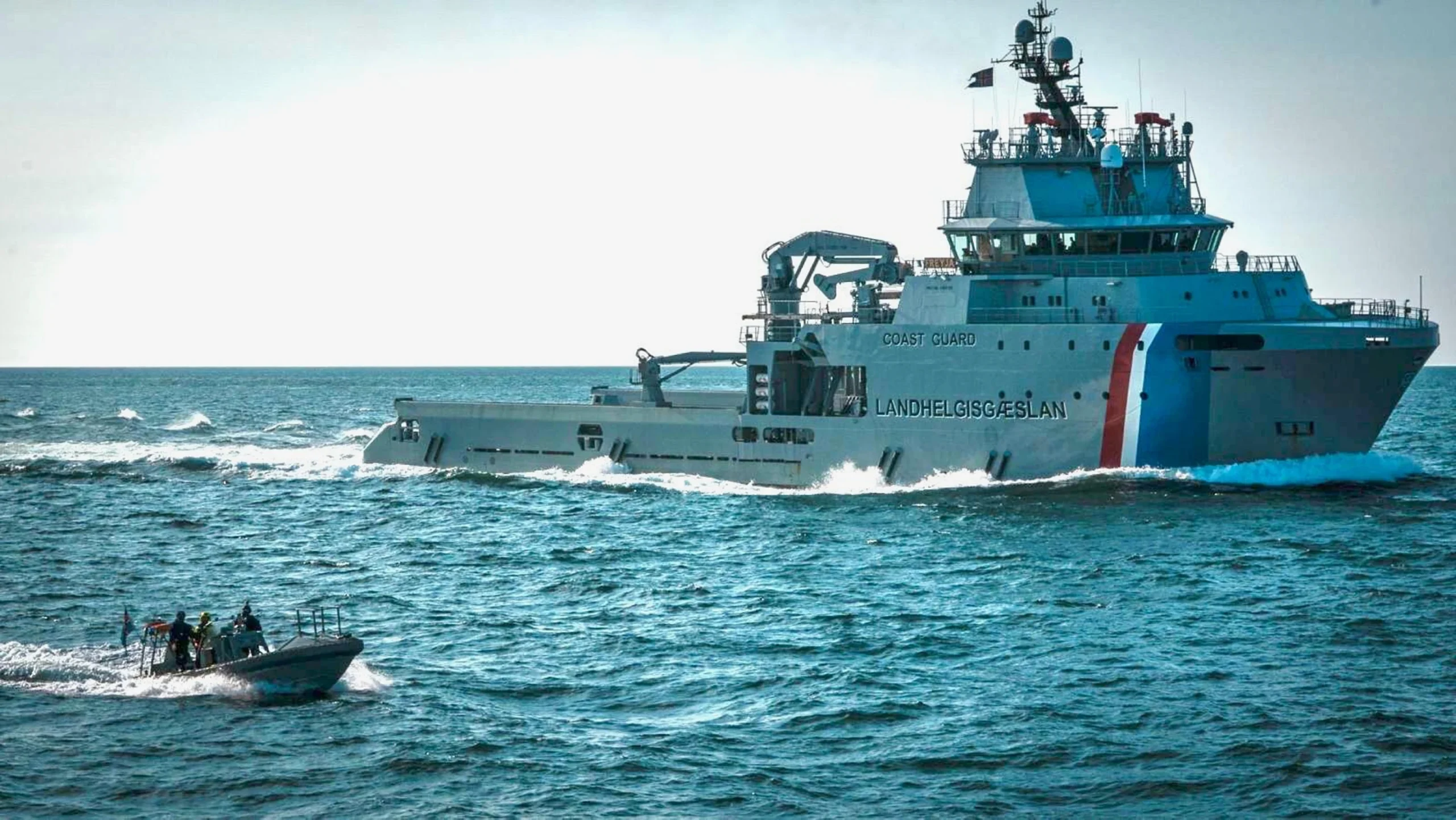
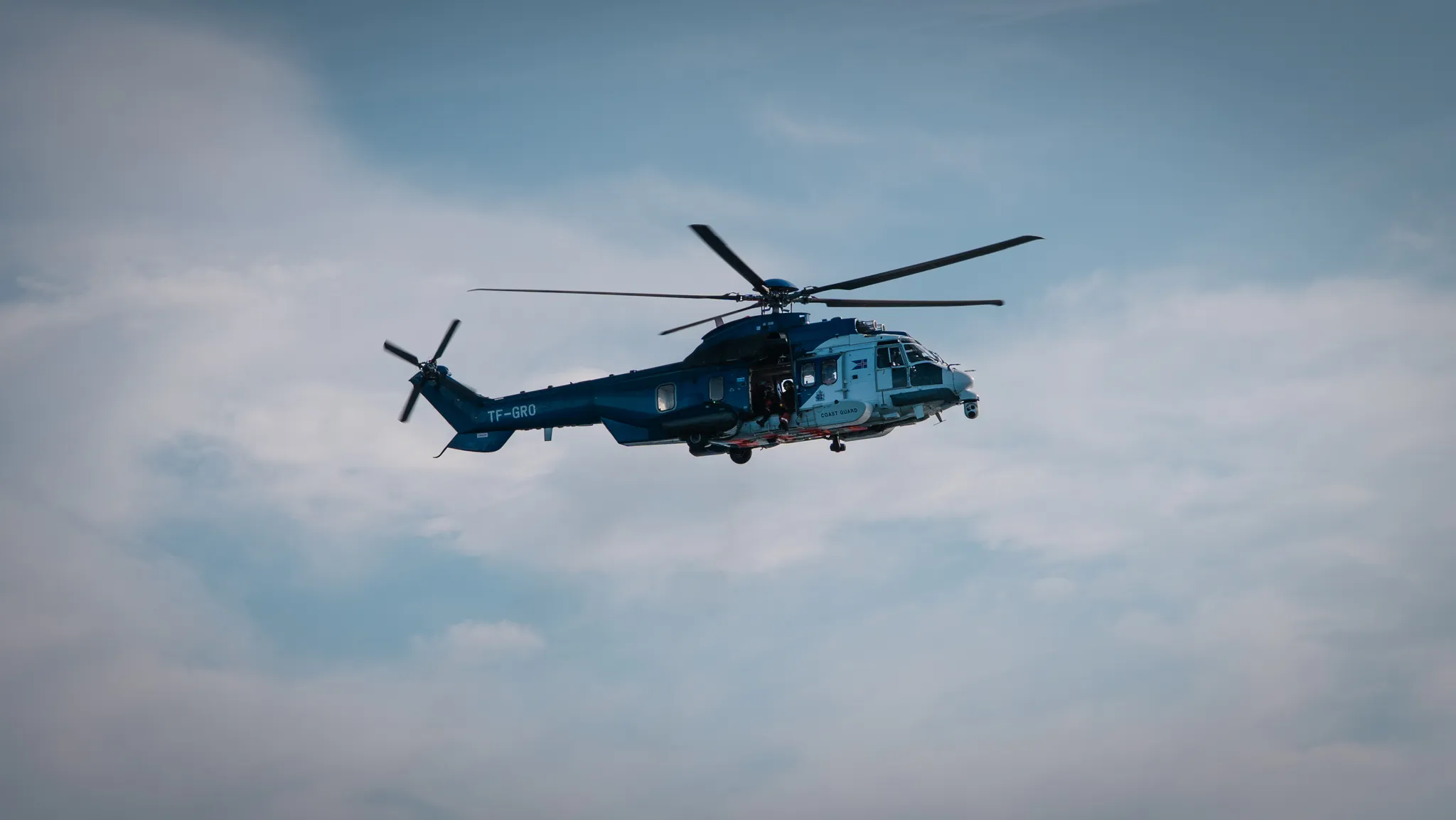
On July 30, Icelandic authorities boarded the Bandero during a confrontation at sea.
The vessel remains detained in Iceland. Most of the crew have since been deported, while the chief engineer remains detained and awaiting deportation. According to the Foundation, the captain is the only crew member to have been formally charged.
The Foundation continues to challenge the detention and pursue the vessel’s return through legal channels.
Now Iceland Has a Choice
The August 29 referendum is about more than Iceland’s relationship with Europe.
It is also an opportunity to consider what kind of country Iceland wants to be — and whether commercial whaling has a place in that future.
For Iceland’s last whaling company, the path toward Europe could ultimately lead somewhere it has spent decades resisting: The end of commercial whaling.
The Captain Paul Watson Foundation believes the future of Iceland should not be defined by the ambitions of one whaling company or one individual.
It should be defined by the people of Iceland.
And the whales should have a future, too.
“Iceland is standing at a crossroads. One path continues a dying industry that has become increasingly difficult to justify economically, ethically and internationally. The other embraces a future where whales are protected rather than pursued. The question is no longer whether Iceland can continue whaling. The question is whether Iceland wants to,” says Captain Paul Watson.