Operation Silent Sanctuary
Uruguay declared its waters a whale and dolphin sanctuary. Offshore seismic surveys would fill that sanctuary with some of the loudest sound humans make underwater. We are asking Uruguay to keep its promise.
What is protected
A sanctuary on paper
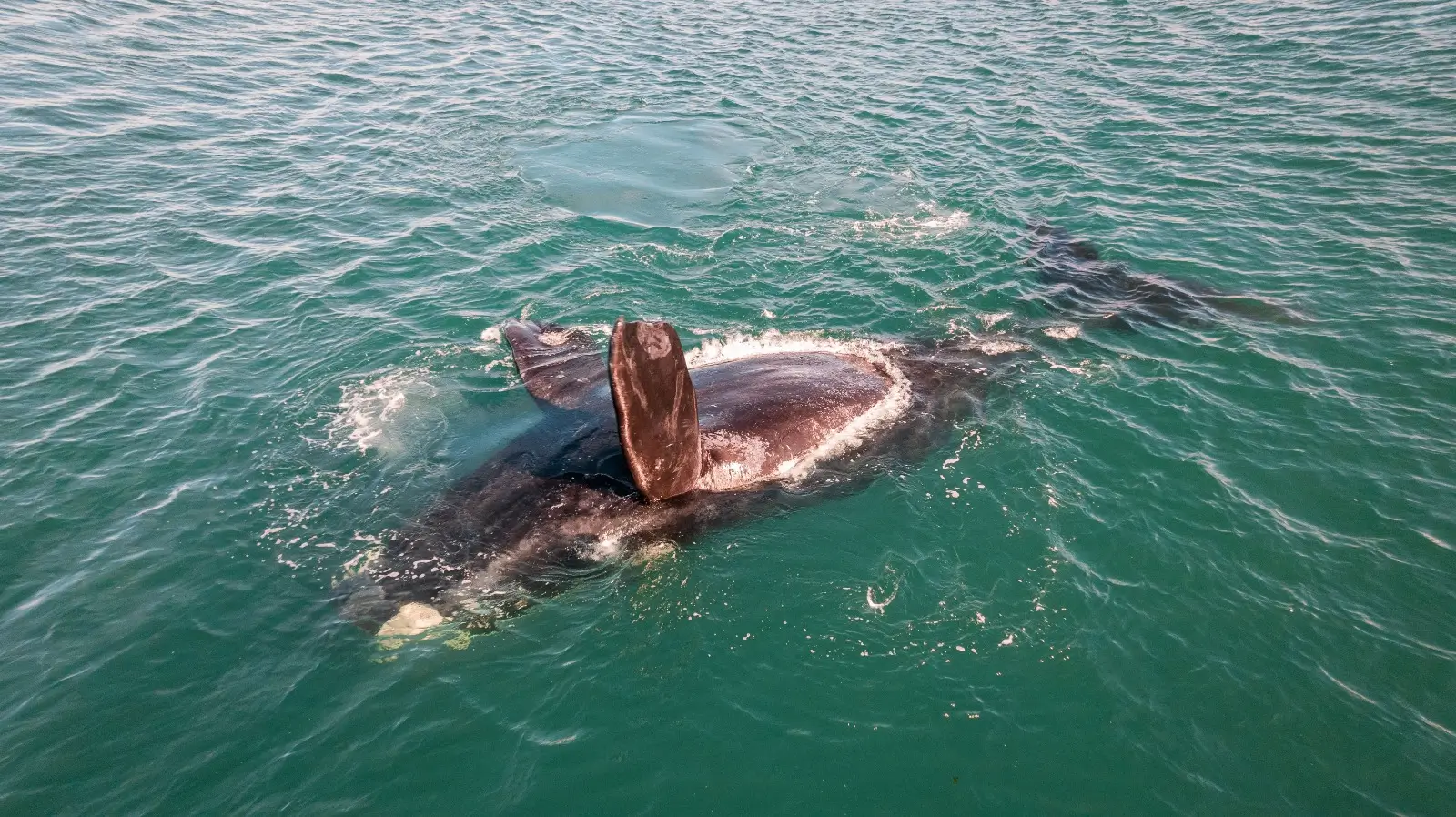
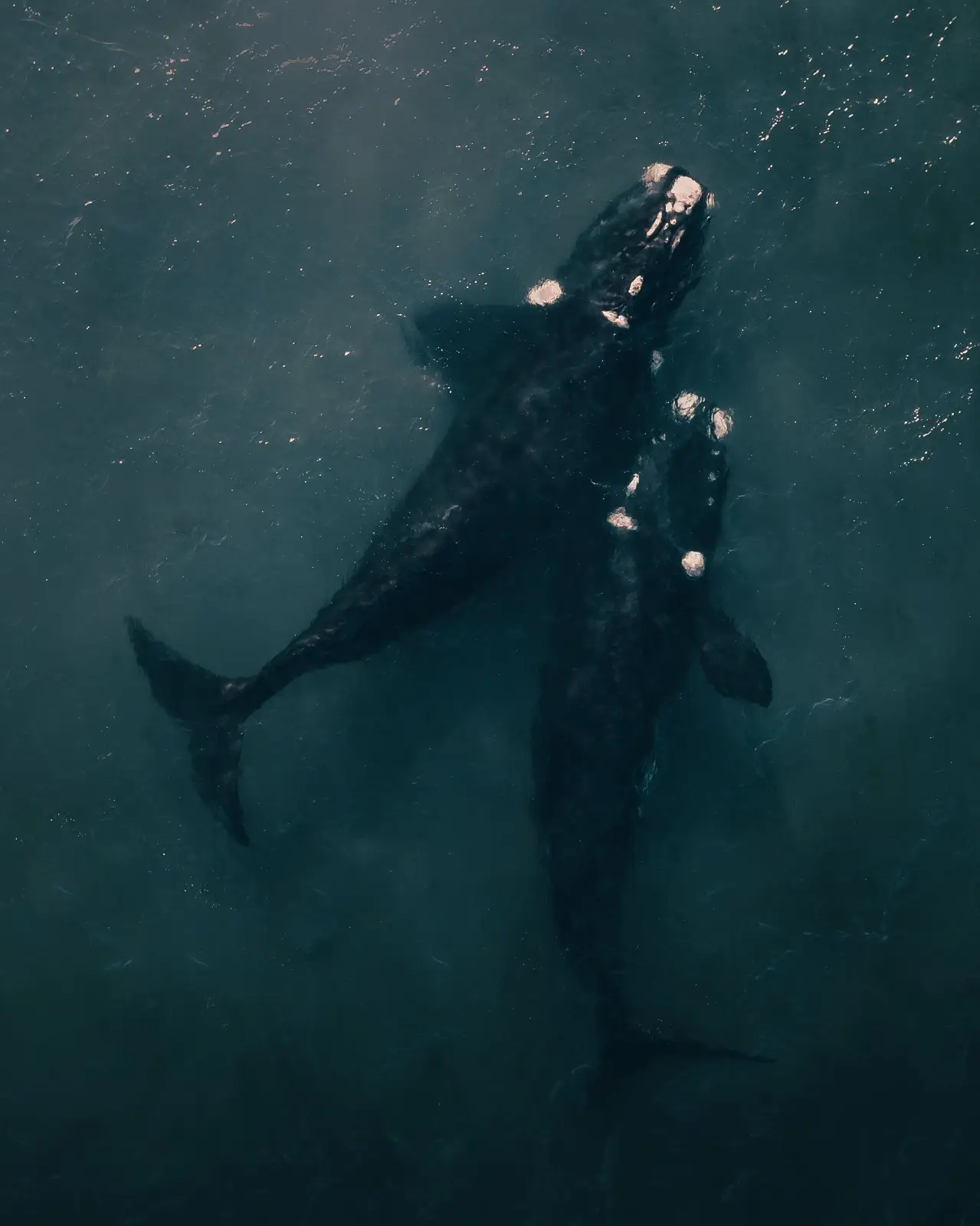
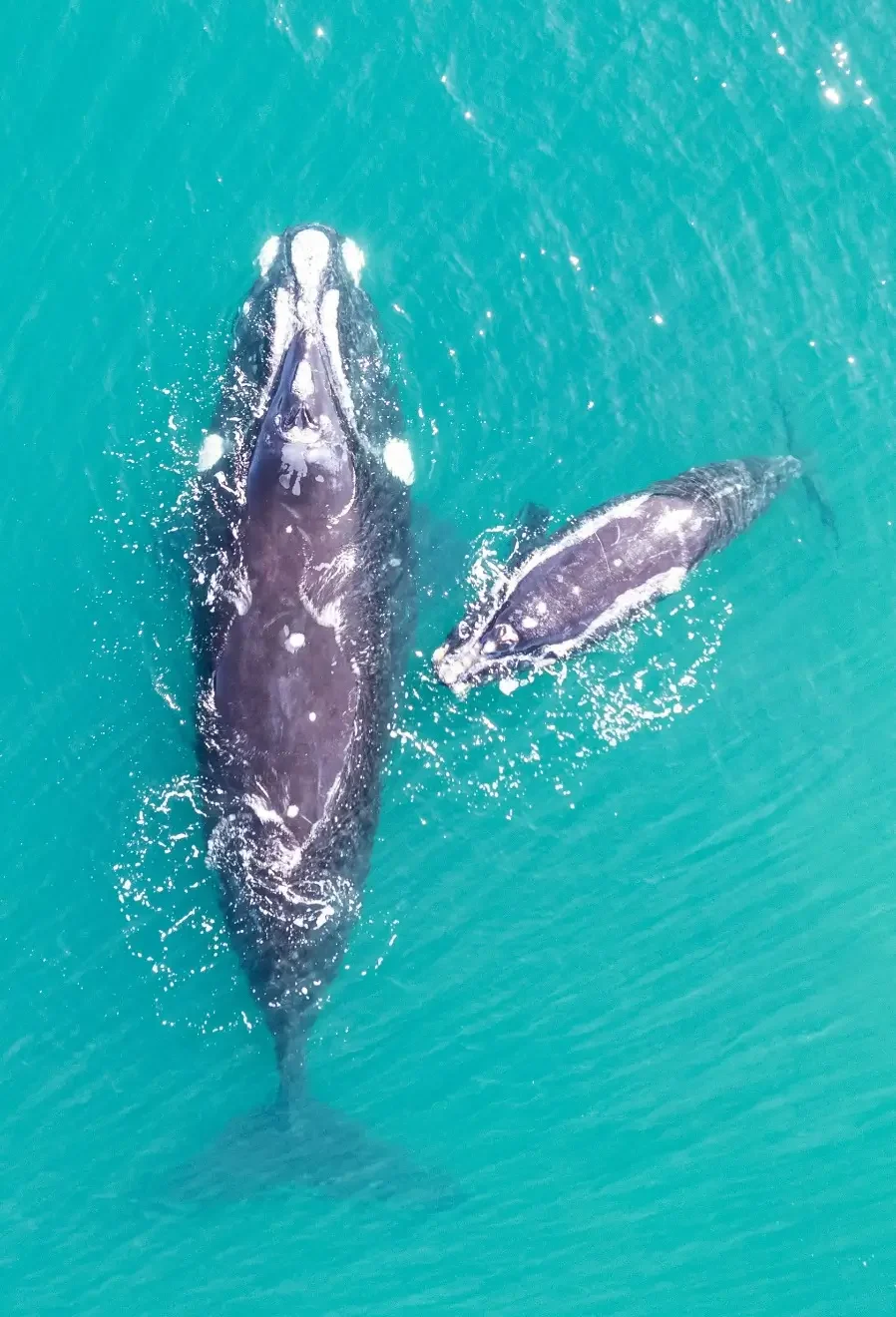
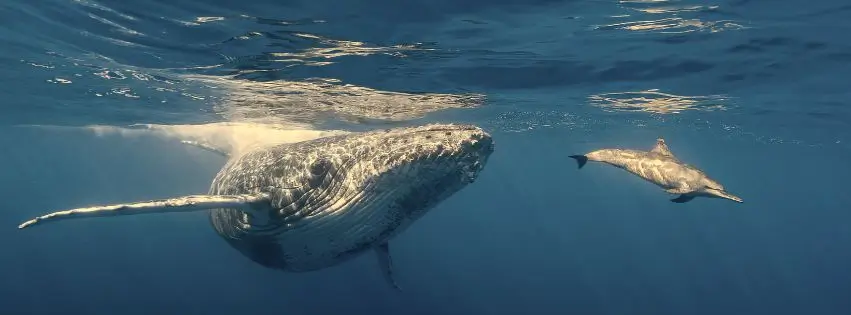
Uruguay’s coast is a nursery. Southern right whales arrive to to mate, give birth, and breed their newborn calves July – October. Humpbacks pass on migration, and dolphins work the same shelf waters year round. In 2013 the country recognised that and declared its entire maritime territory a sanctuary for cetaceans.
A sanctuary is a commitment, not a wall. What happens inside it is decided permit by permit, and the permits now under consideration would let survey ships blast the seabed with compressed-air guns to map oil and gas beneath it.
2013
Uruguay’s parliament declared national waters a sanctuary for whales and dolphins.
125,000 km²
Of Atlantic shelf and open ocean covered by that declaration.
July – Oct
Southern right whales calve and nurse along the Uruguayan coast each season
Who lives here
The residents
A sanctuary is not an empty stretch of sea. These are three of the animals whose season, feeding ground and nursery overlap with the blocks now under survey consideration.
Southern right whale
Eubalaena australis
Mothers arrive off the Uruguayan coast to give birth and nurse in shallow water. Calves stay close and communicate with their mothers in quiet, low-frequency calls.
Franciscana dolphin
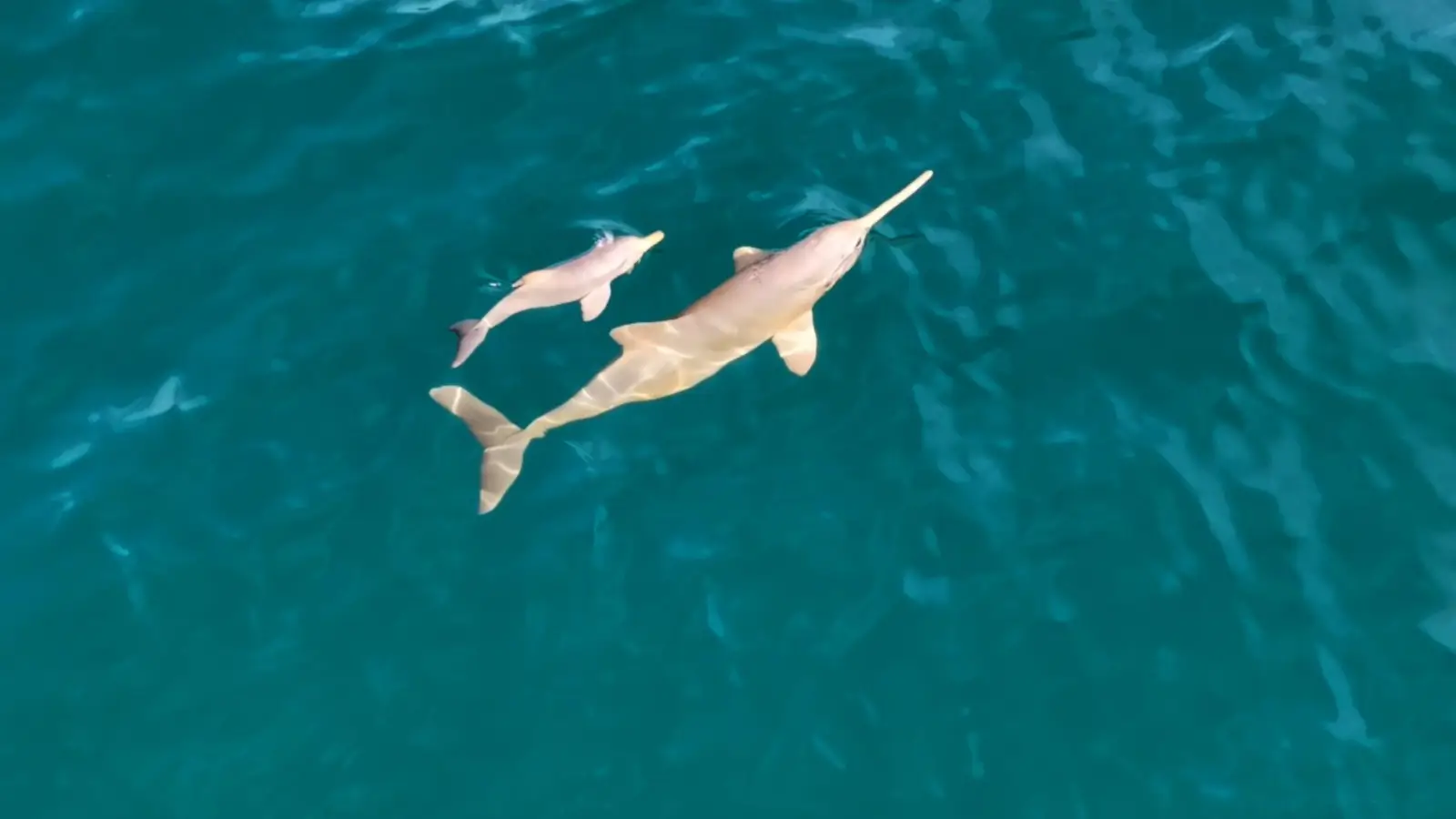
Pontoporia blainvillei
It lives in turbid coastal water and depends almost entirely on sound to navigate, feed and stay together.
Loggerhead turtle
Caretta caretta
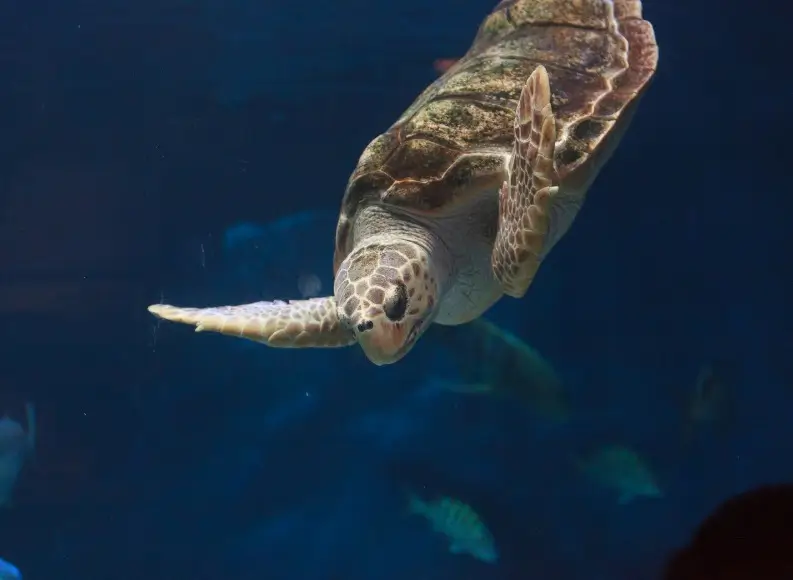
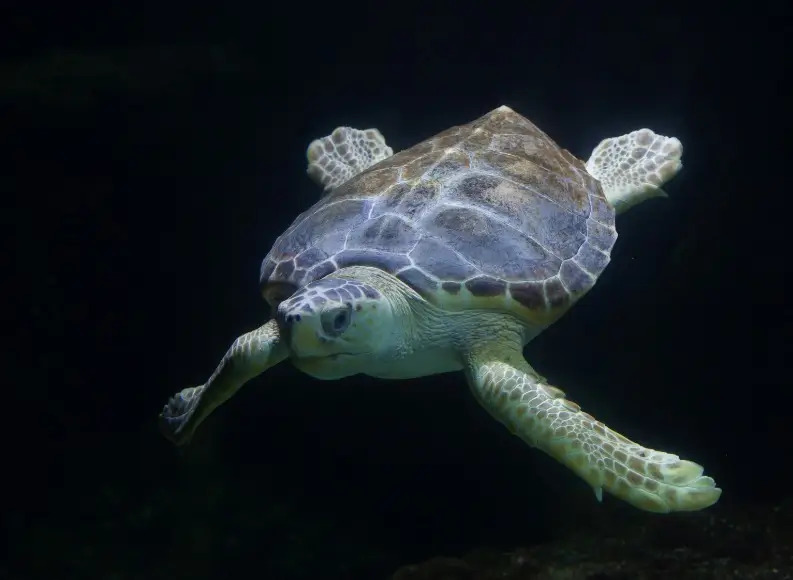
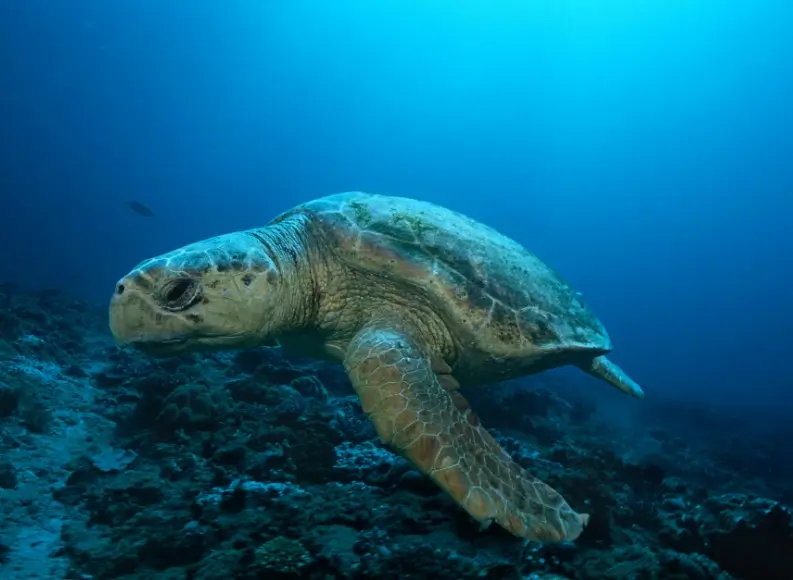
Juveniles cross the Atlantic to forage on the Uruguayan shelf before returning to distant nesting beaches. They feed on the seabed, the same ground a seismic survey is built to map.
In Uruguay's own words
And many more
Uruguay’s own environmental-impact assessment for the Viridien seismic project identifies numerous cetaceans occurring in Uruguayan waters, including southern right whales, sei whales, blue whales, fin whales, humpback whales, sperm whales, killer whales, pilot whales and multiple dolphin species.
The assessment also documents Loggerhead, Green Sea Turtles, Leatherback (Dermochelys coriacea), Hawksbill (Eretmochelys imbricata), and Olive ridley (Lepidochelys olivacea) in offshore Uruguayan waters.
The threat
Airguns in a nursery
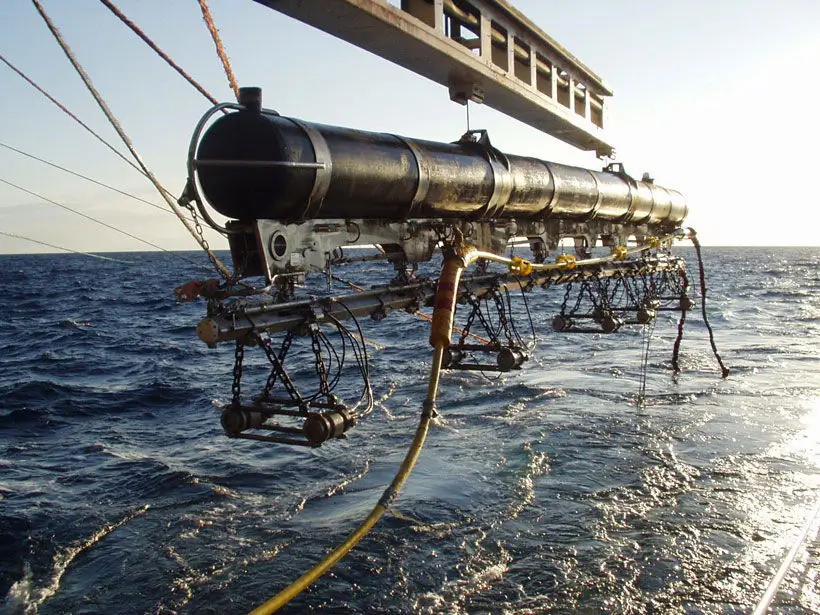
Seismic exploration maps the seabed by sound. An array of compressed-air guns is towed behind a ship and fired into the water on a repeating cycle; the echo returning from beneath the seafloor draws the picture of what lies below. It is among the loudest sound human beings put into the ocean.
Listen
Hear what seismic exploration sounds like beneath the surface
Seismic pulse, recorded underwater
Every 10 seconds
A seismic array fires on a fixed cycle, day and night, for weeks or months at a time. There is no quiet between shots, only the next one.
Thousands of kilometres
Low-frequency blasts travel across whole ocean basins. A survey off Uruguay is not a local event.
Sound is how whales live
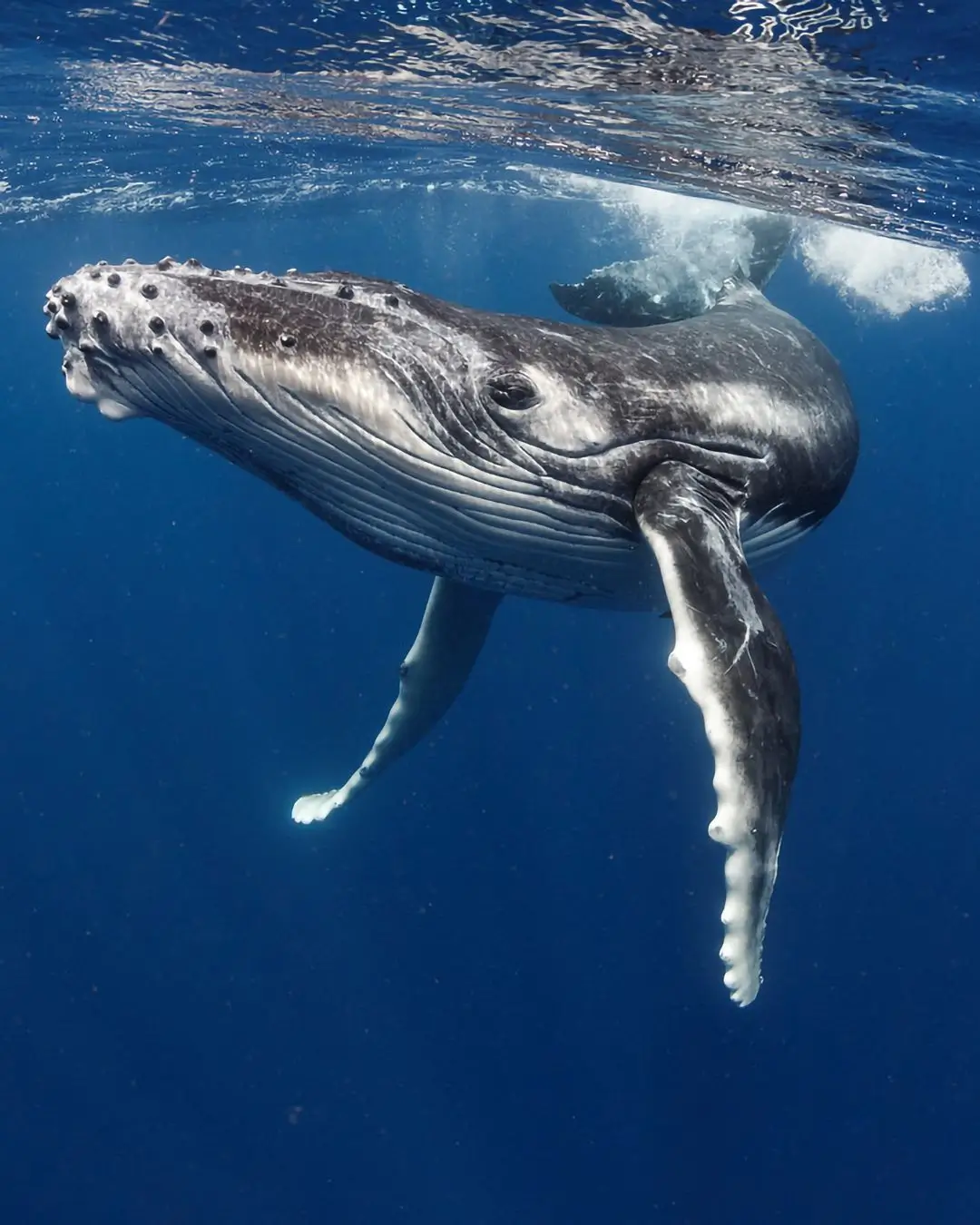
Right whales and humpbacks use sound to navigate, to find each other and to keep mothers and calves together. Noise takes that away.
Take action
Do the first in a minute; the second decides what we can do at sea.
01
Email Uruguayan officials
One form, one minute. Your message goes to the officials deciding whether seismic surveys proceed inside a declared sanctuary. Volume is the point, every additional name makes the position harder to ignore.
02
Fund the operation
Crew, fuel, documentation, legal work. Campaigns at sea are won by being there when it matters, and being there costs money. Every donation, however small, keeps the operation ready.
Why we ask
Captain Paul Watson Foundation Uruguay
The engine that drives our cause is kept running thanks to the impulse generated by the help of each and every one of you.
Donations are a fundamental part of the support you give us, as they are essential to cover the expenses involved in achieving our goals and every donation, no matter how small it is, helps us in our fight to change the alarming reality that our planet is facing.
Our operations in the world’s oceans characterizes us and have been effective since the beginning of this movement established by Captain Paul Watson in the 1970s.
Each mission is strategically planned, and every second counts when it comes to defending a life. We protect the residents of the ocean, and nothing necessary can be missing at the key moment of acting in their defense.
The solidarity and trust of thousands of people like you around the world who have helped us with their donations have been a fundamental pillar in sustaining hope in this cause that aims to save the life of this Blue Planet, but also ours, yours, and those who would like to be able to live, because without the ocean, there is no life, and if the ocean dies, we all die.
A sanctuary is a commitment, not a wall. What happens inside it is decided permit by permit, and the permits now under consideration would let survey ships blast the seabed with compressed-air guns to map oil and gas beneath it.
Your donation can make a difference. Make an impact today!
The Bottom Line
If the ocean dies, we all die.
Right whales, humpbacks and dolphins share the same water off Uruguay, and all of them live by sound. A quiet ocean is not an aesthetic preference. It is the condition they need to survive.
Take one minute for the email, then help us stay at sea.