

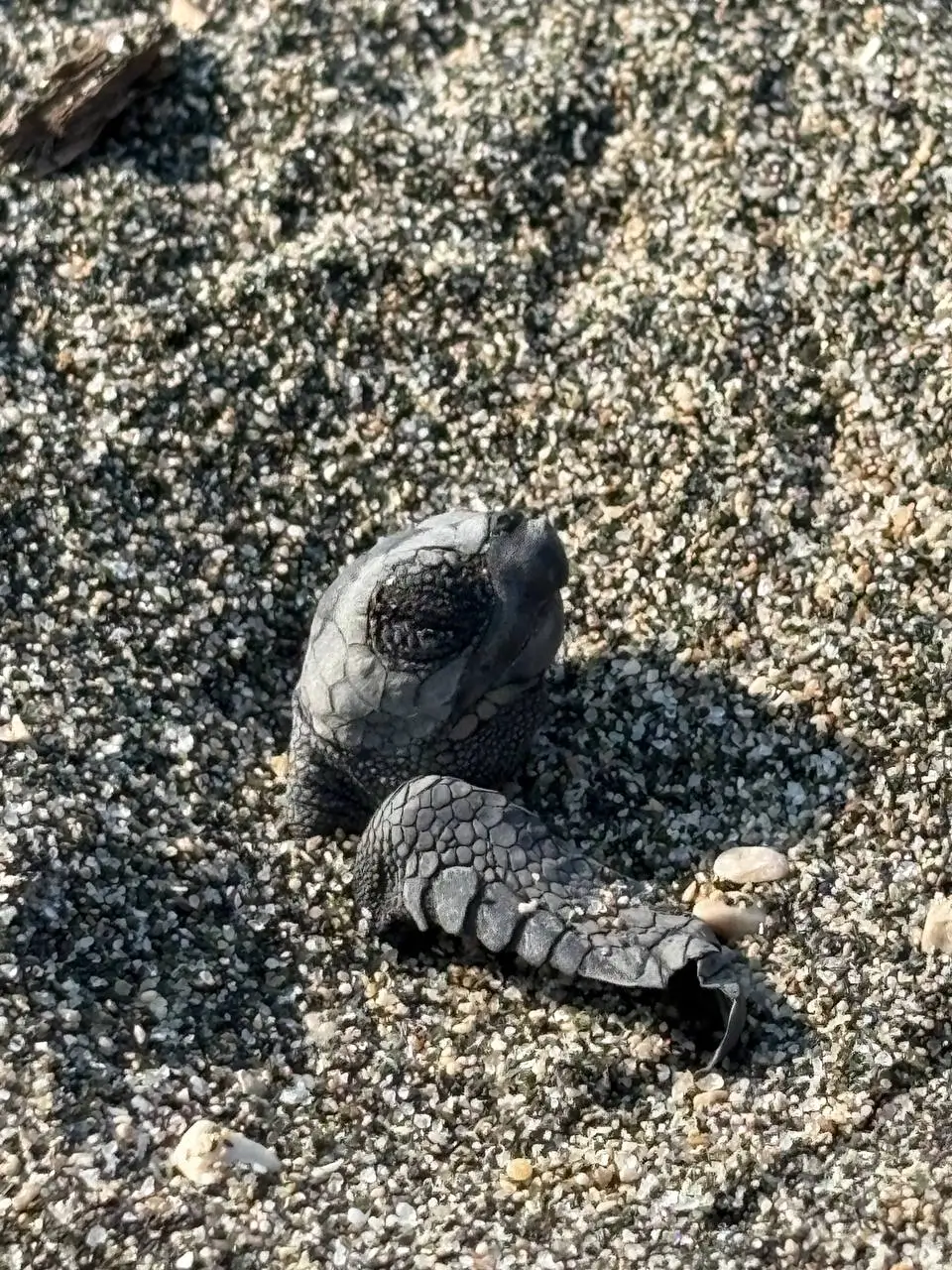

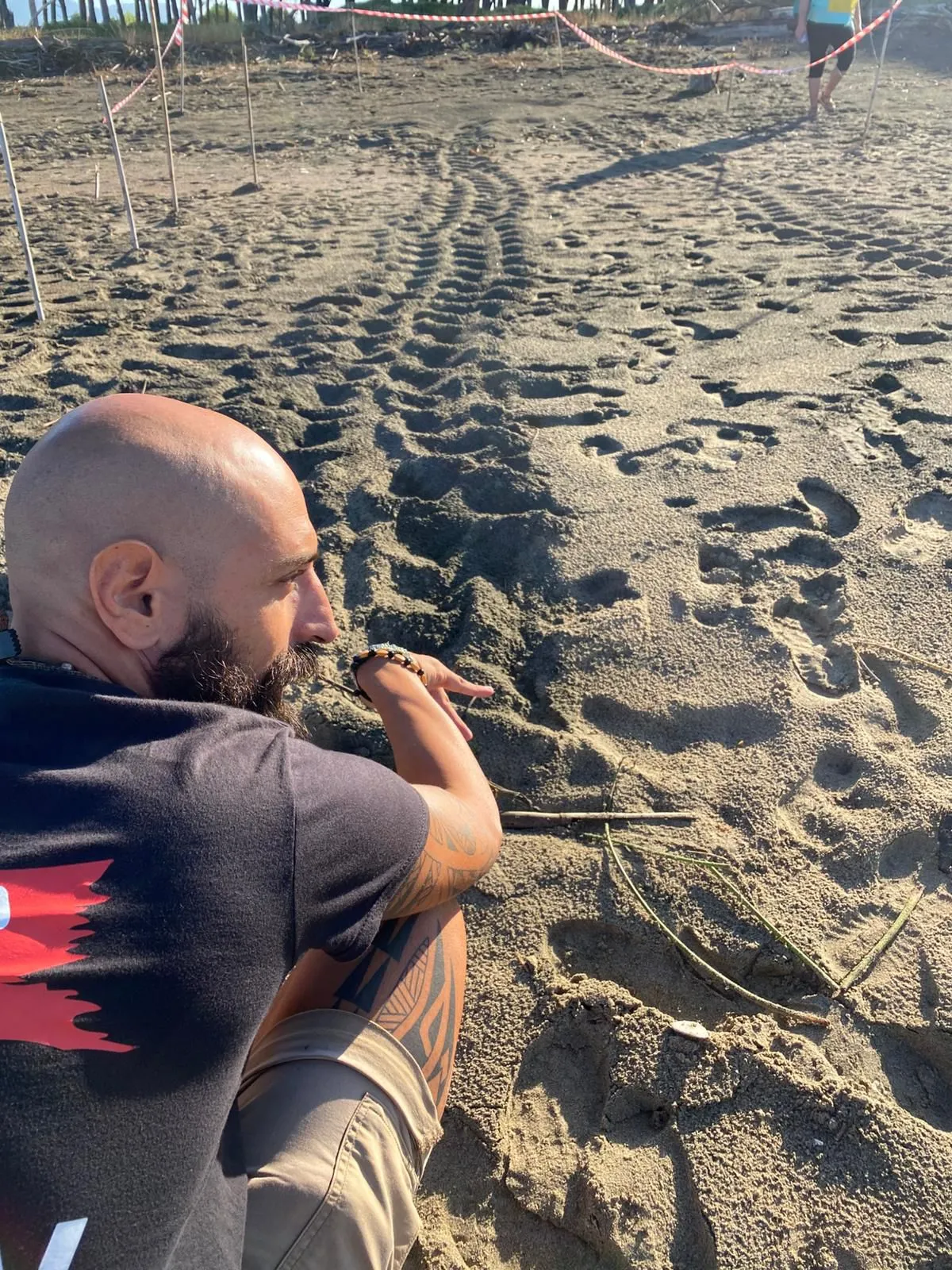
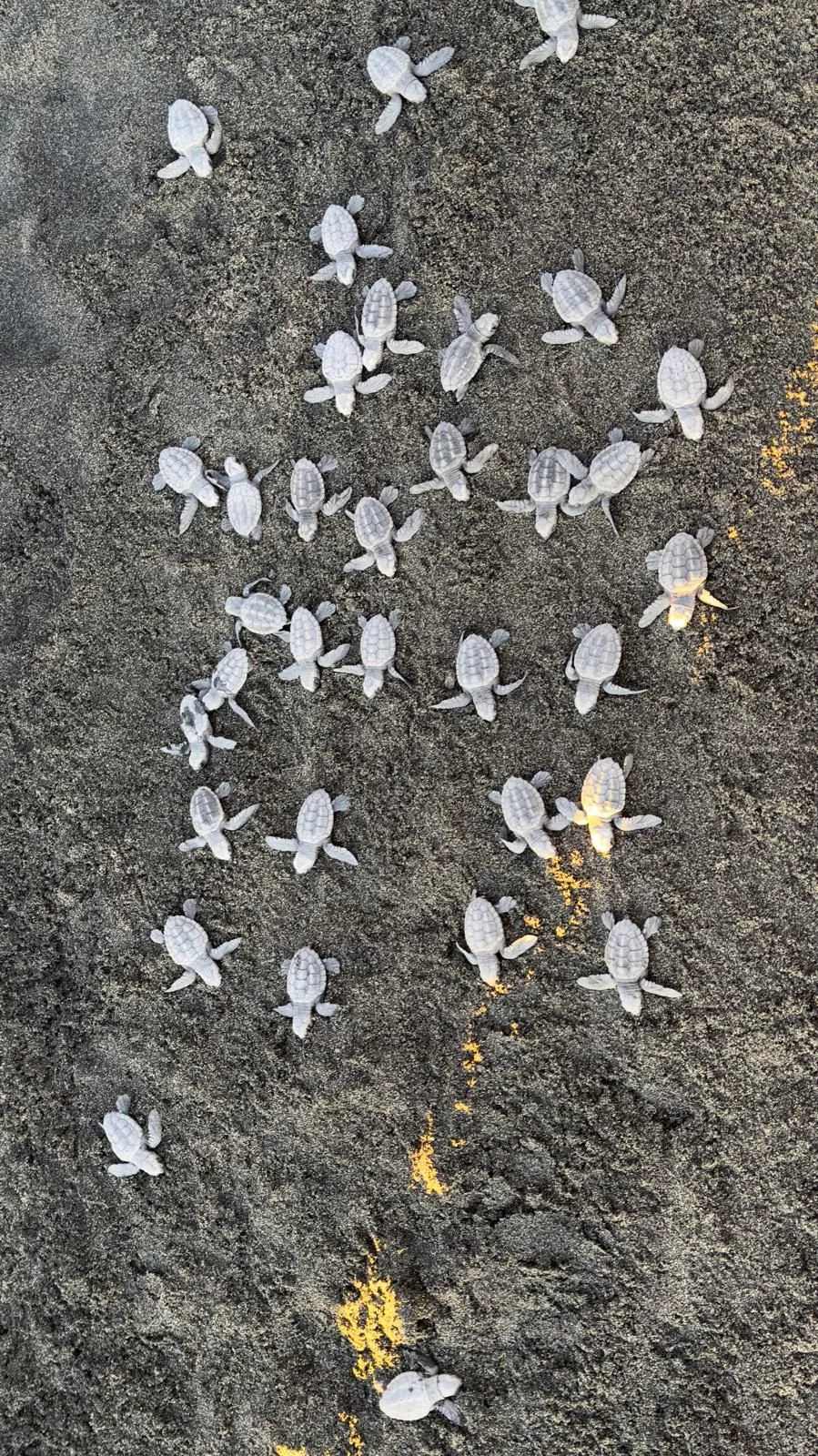
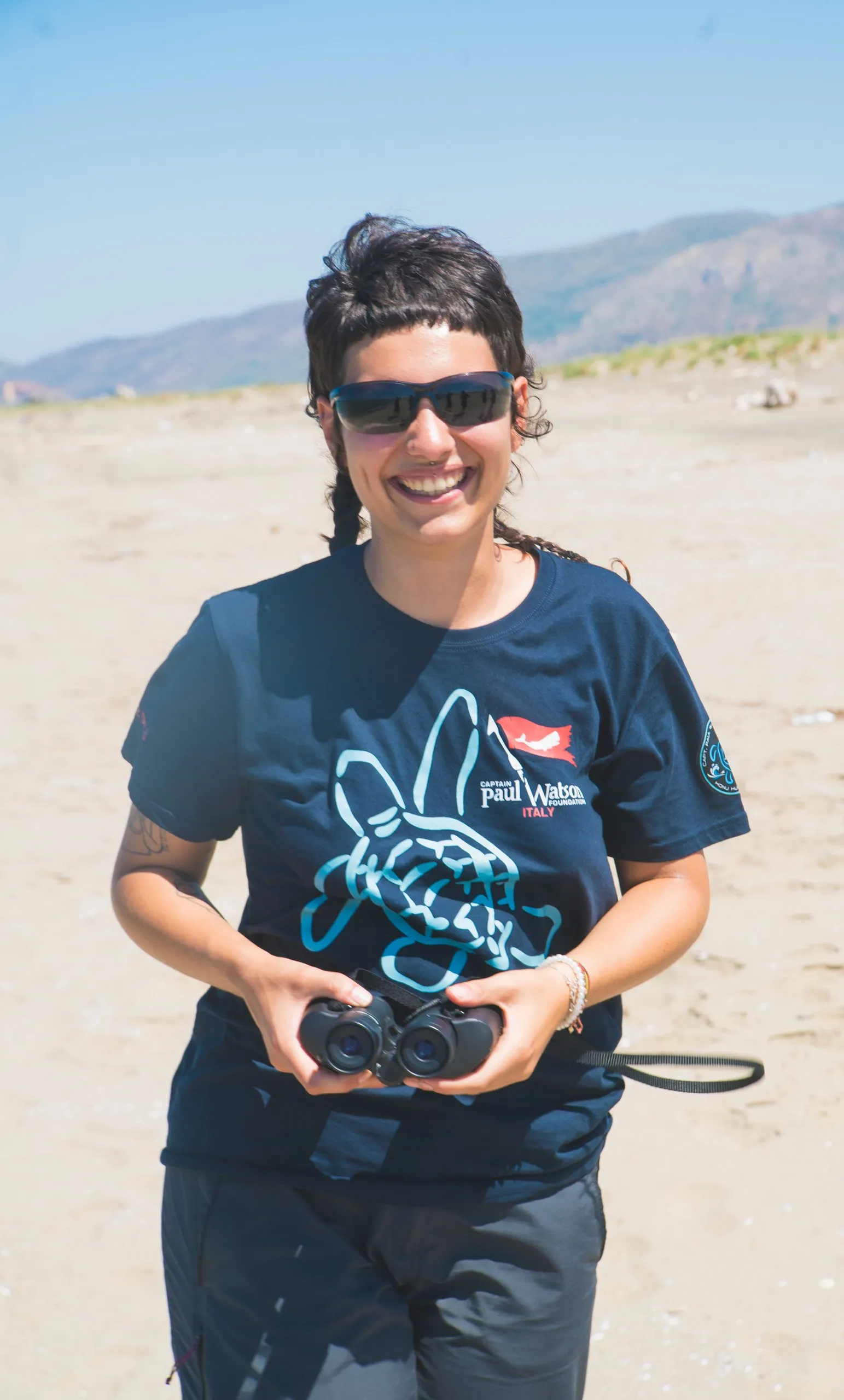
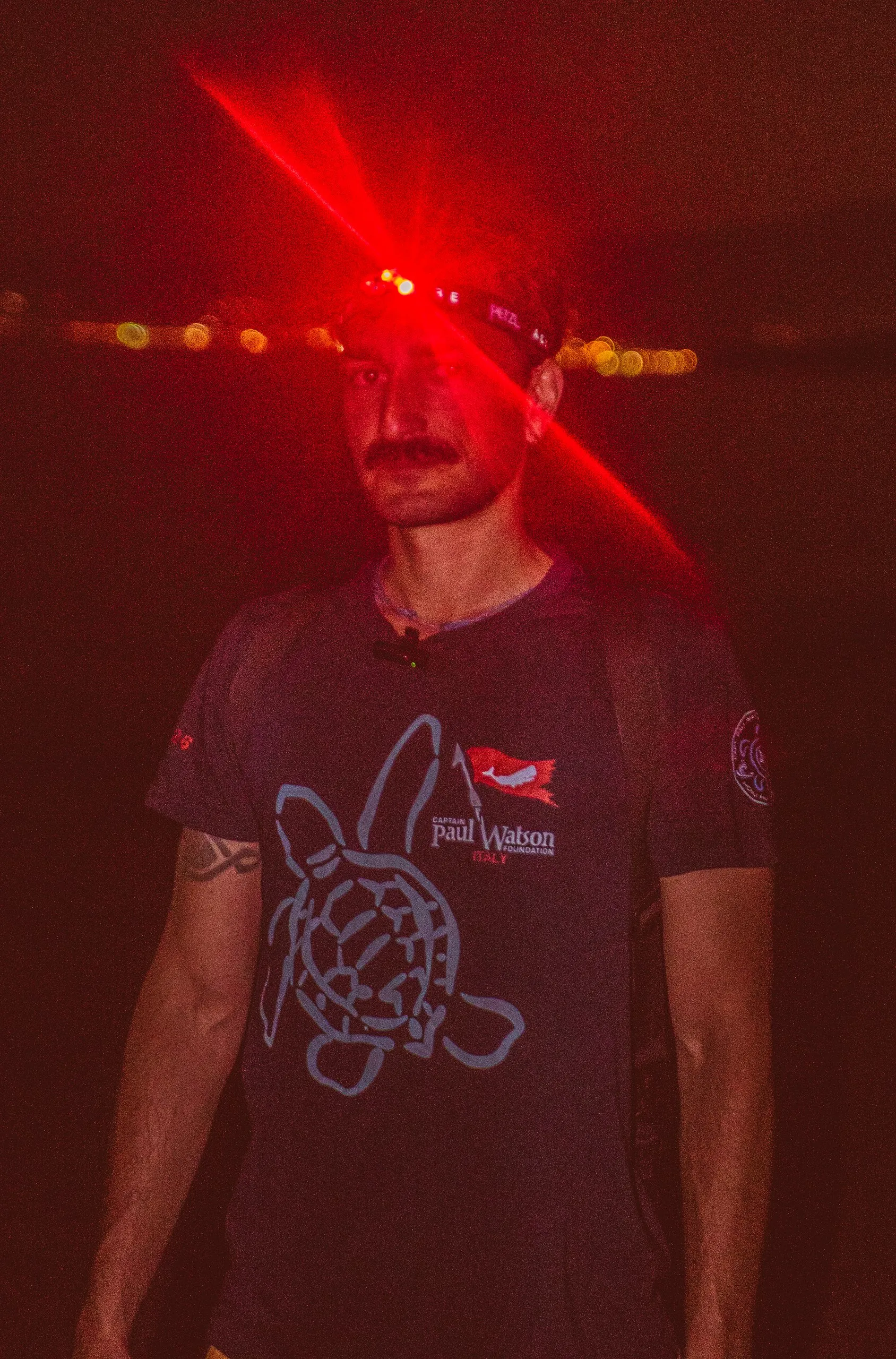
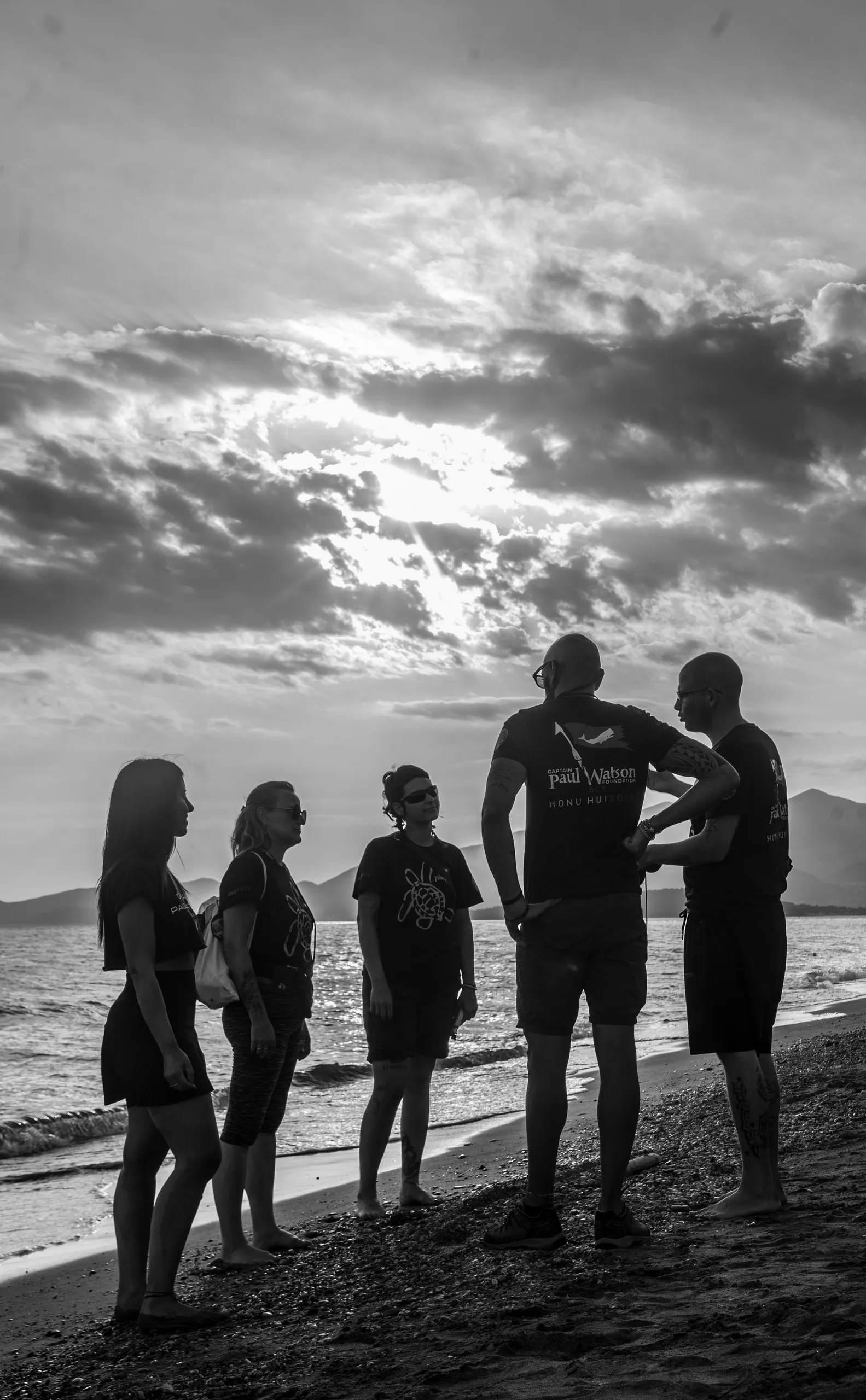
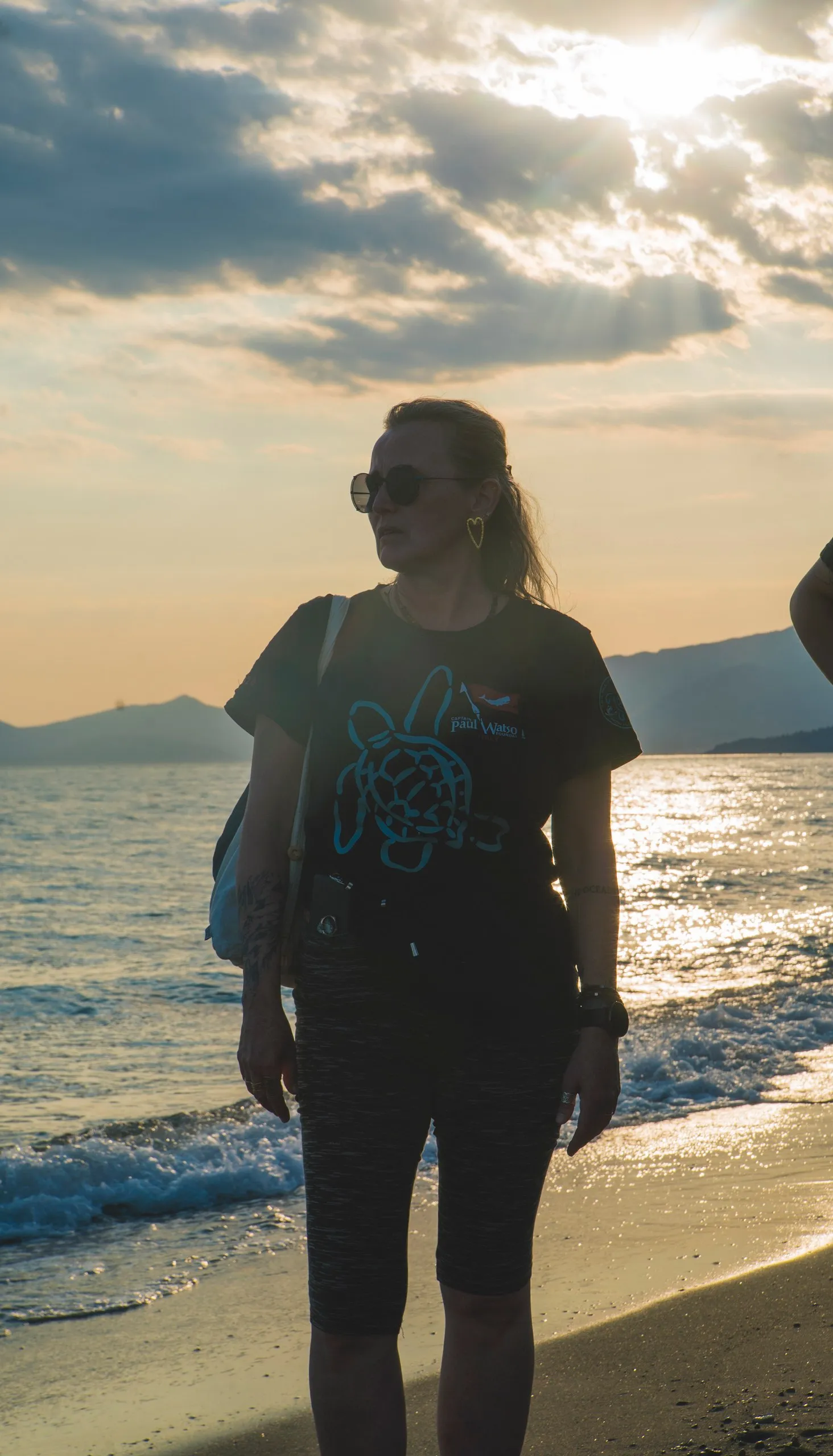

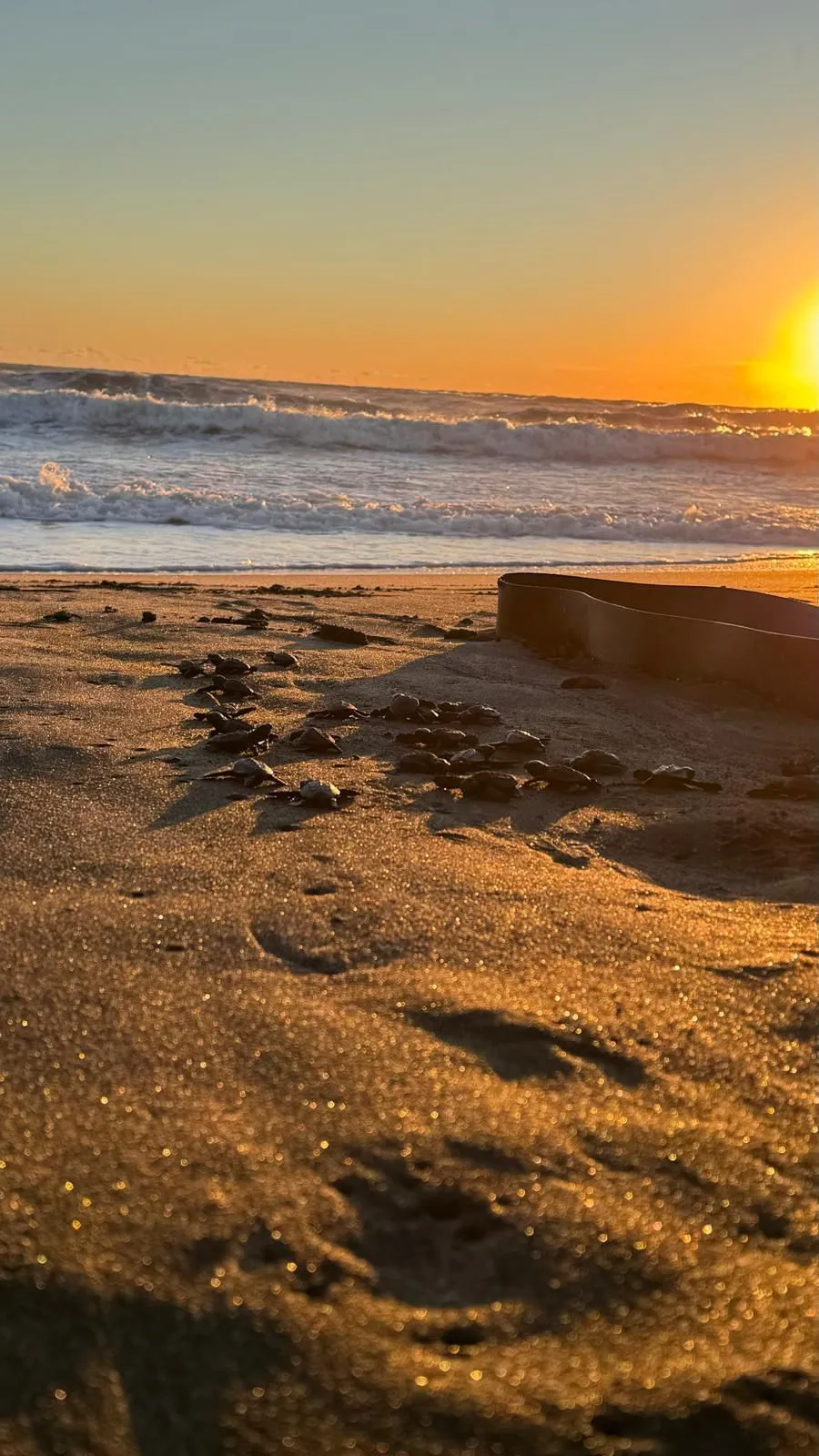
The loggerhead turtle (Caretta caretta) has survived for millions of years. Along Italy’s coast, our volunteers walk the beaches through the entire nesting season — protecting every nest until the last hatchling reaches the sea.
The loggerhead sea turtle is one of the most iconic marine species of the Mediterranean. Recognizable by its large head and powerful jaws, it can live for several decades and travel thousands of kilometers during its lifetime.
The Mediterranean is one of the most important habitats for loggerheads worldwide. Italy plays a particularly strategic role — especially the southern coasts and islands, where feeding grounds and nesting beaches are increasingly documented.
Warming seas
A warning sign
Sea turtles born and successfully returned to the sea across communities.
A crucial habitat
After hatching, loggerheads enter the open sea and begin long migratory journeys across the Mediterranean. Juveniles travel through currents connecting Italy, Greece, Turkey, North Africa, and even the Atlantic Ocean.
Scientists believe they use the Earth’s magnetic field as a natural compass to orient themselves during migration.
Natal homing
Some turtles return years later to the very same beaches where they were born, in order to reproduce.
During nesting season, females emerge from the sea at night and lay around 80–120 eggs in sandy beaches. In the Mediterranean, this mainly occurs between June and August.
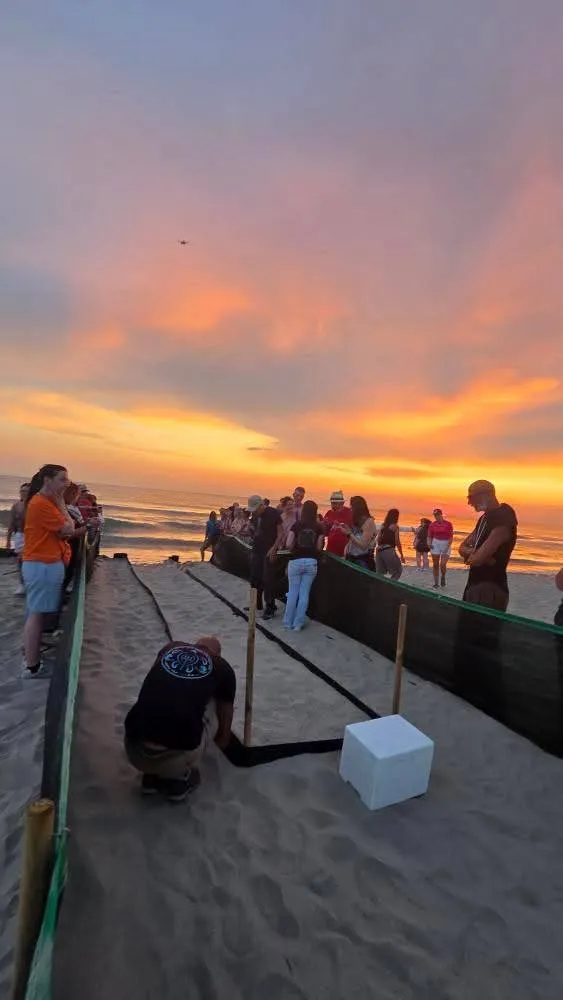
After covering the nest with sand, the female returns to the sea, leaving the eggs to incubate naturally for about two months.
Every nest tells a story of survival.
80 –120
~60
Jun – Aug
Despite surviving for millions of years, Caretta caretta are now endangered by human activity. The main dangers along the Italian coast:
01
Bycatch
02
Plastic pollution
Ingested and entangling debris throughout the turtles’ open-sea range.
03
Boat strikes
Collisions with vessels in busy coastal and shipping waters.
04
Coastal urbanization
Development that erodes and eliminates the beaches turtles need to nest.
05
Artificial lighting
Beach lighting that disorients hatchlings, drawing them away from the sea.
06
Climate change
Rising sea temperatures reshaping habitats and skewing hatchling development.
Even small disturbances matter.
Umbrellas, beach-grooming machines, furniture, vehicles, and human presence at night can all prevent a female from laying successfully, and can compromise the hatching of an entire nest.
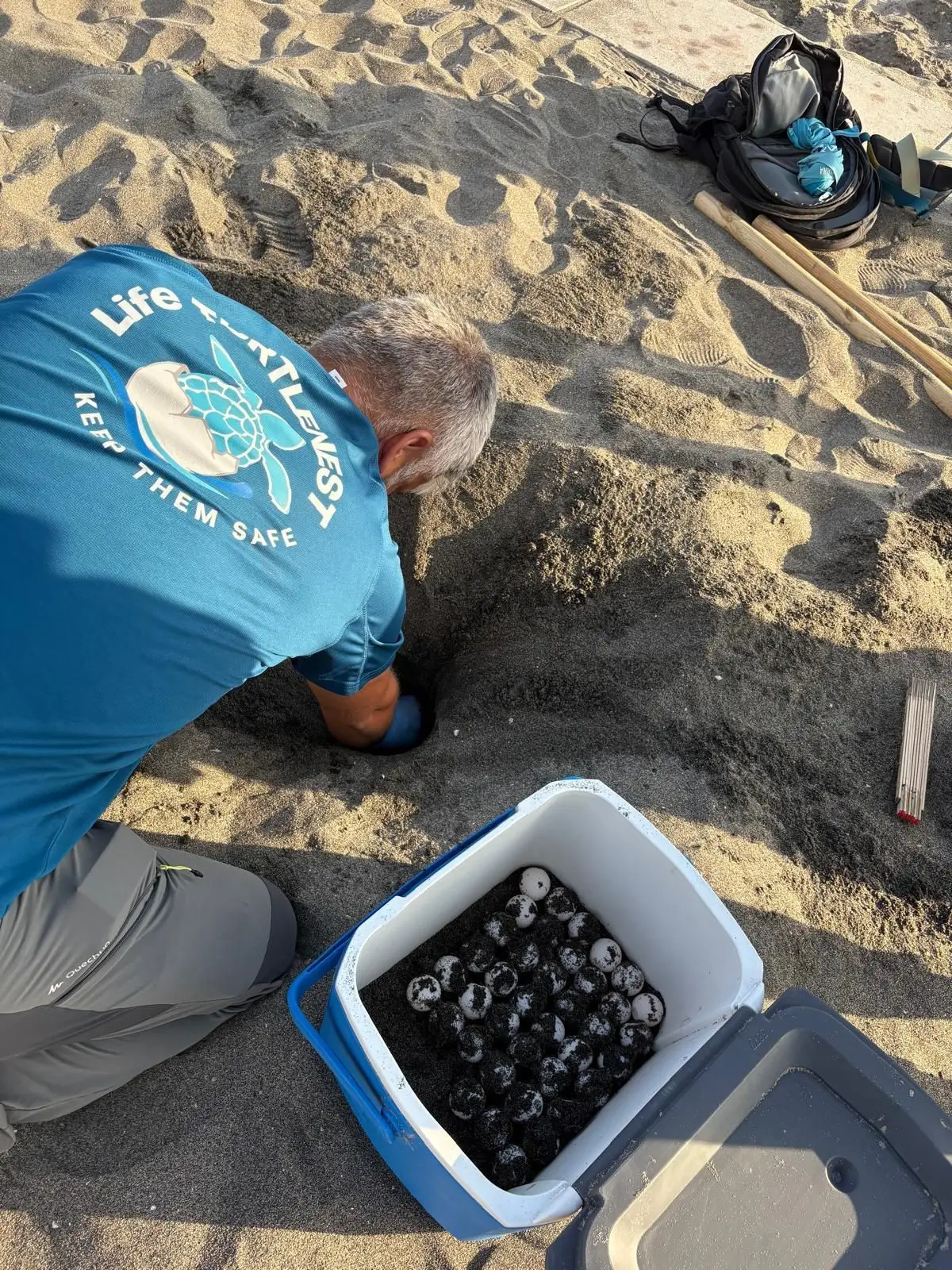
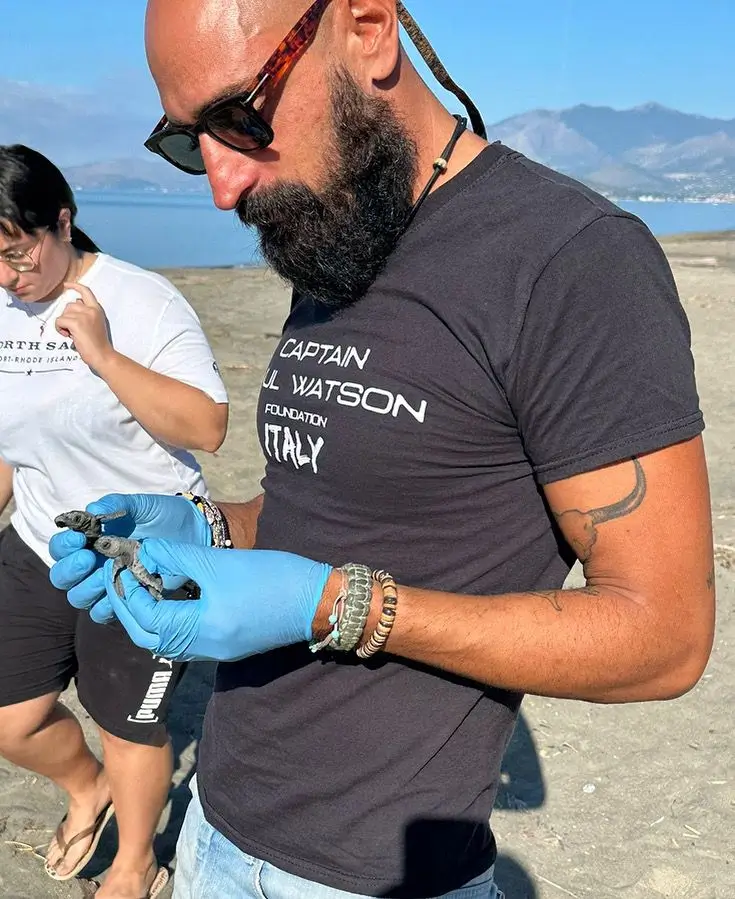
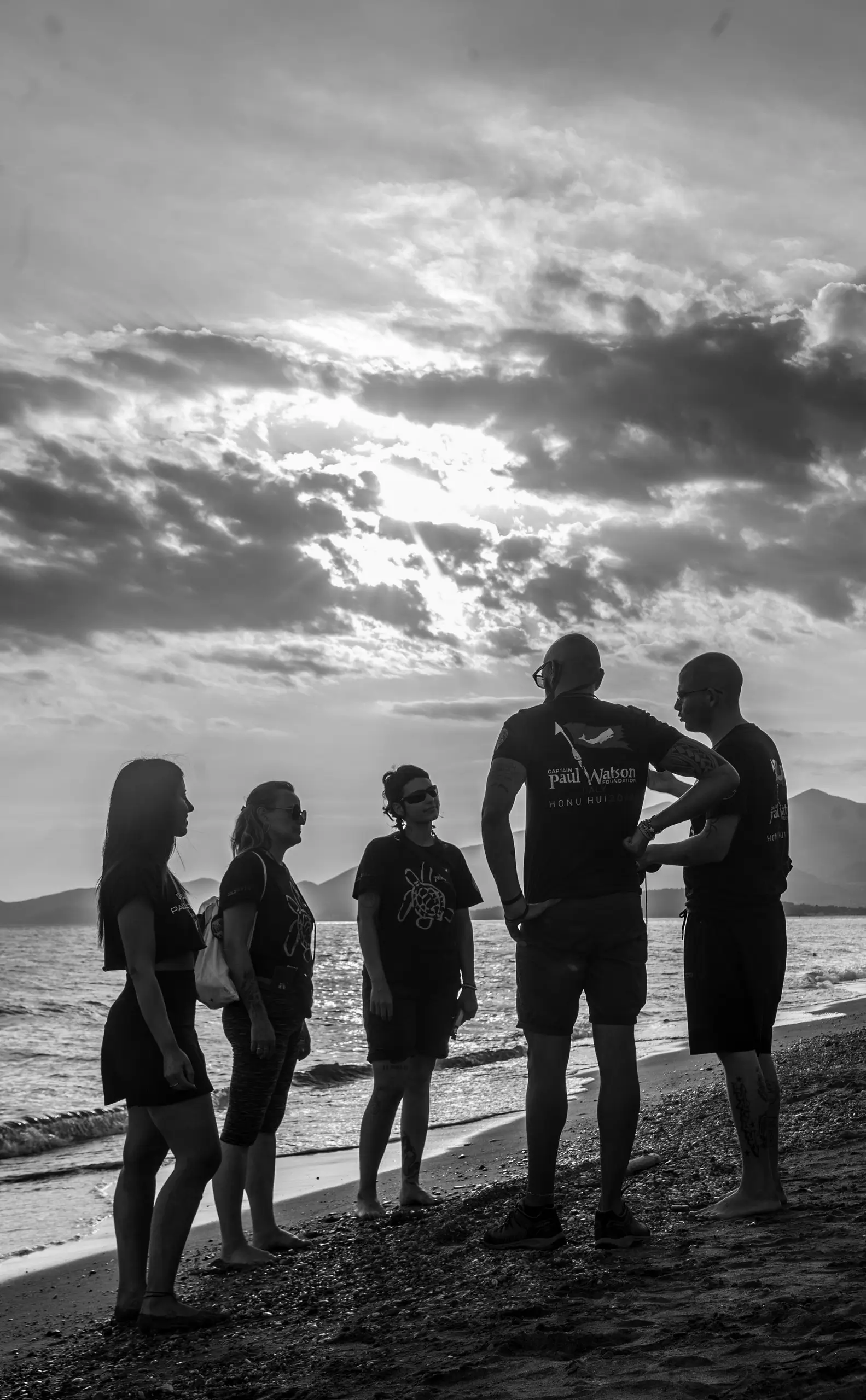
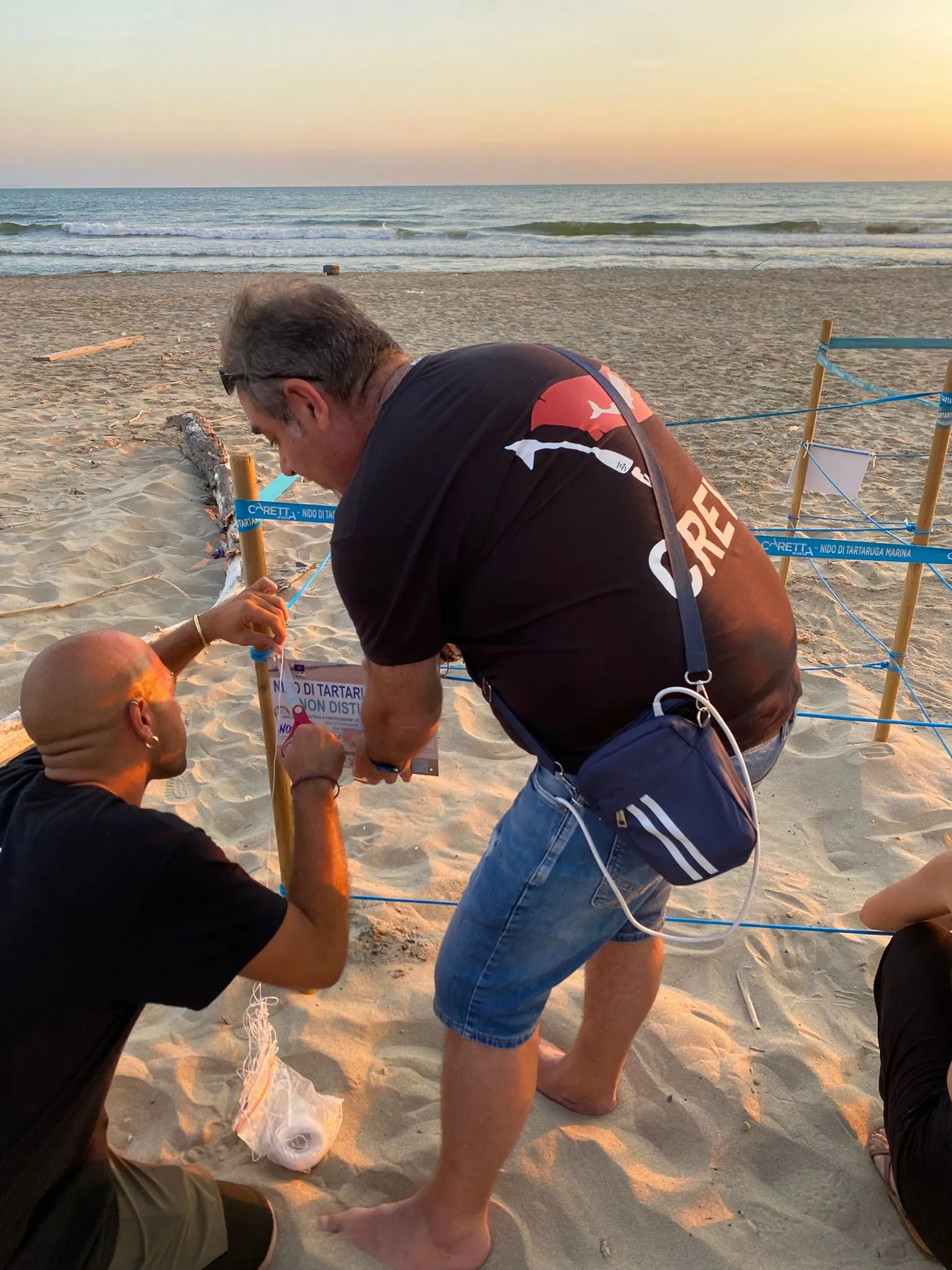
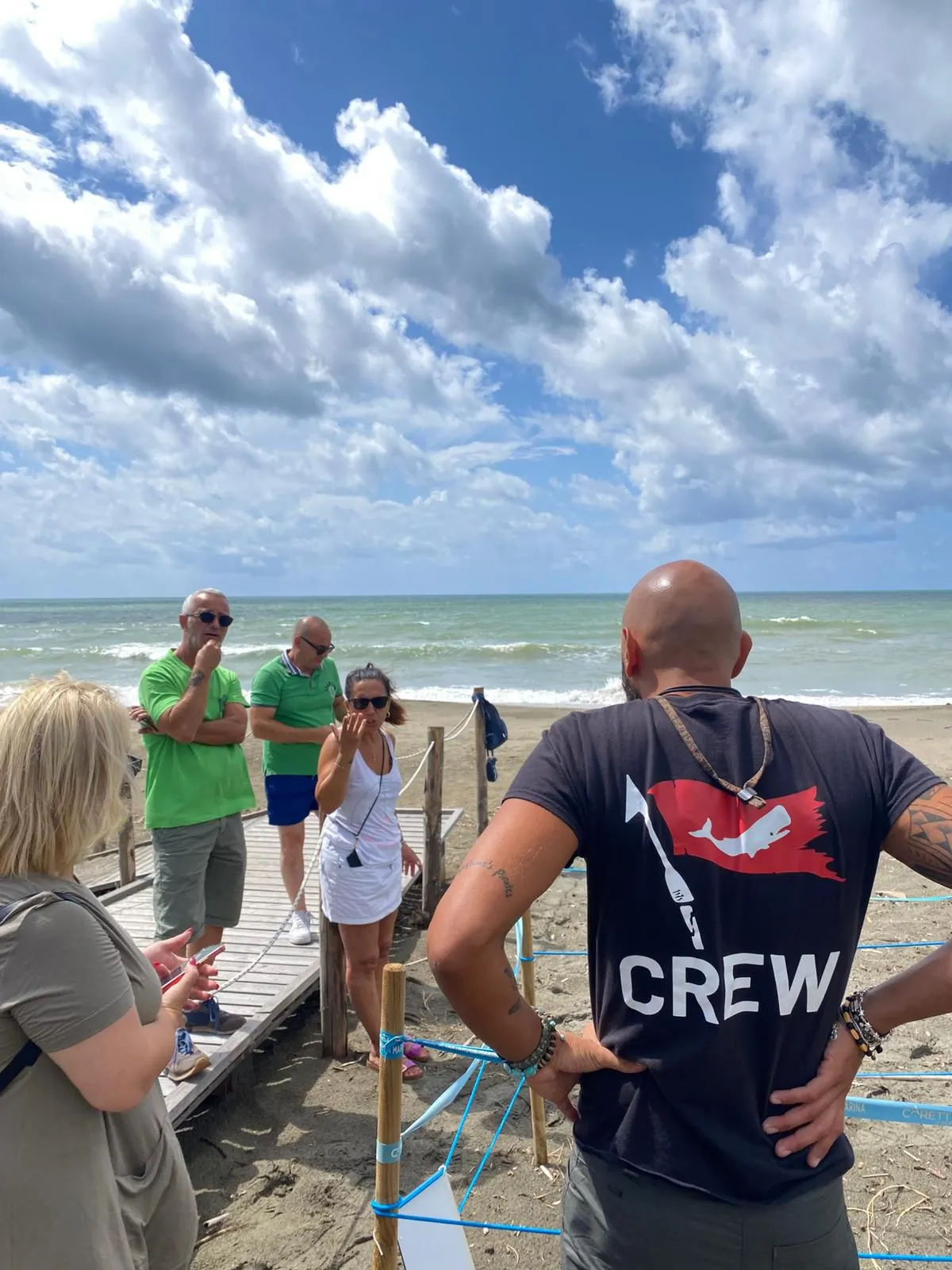
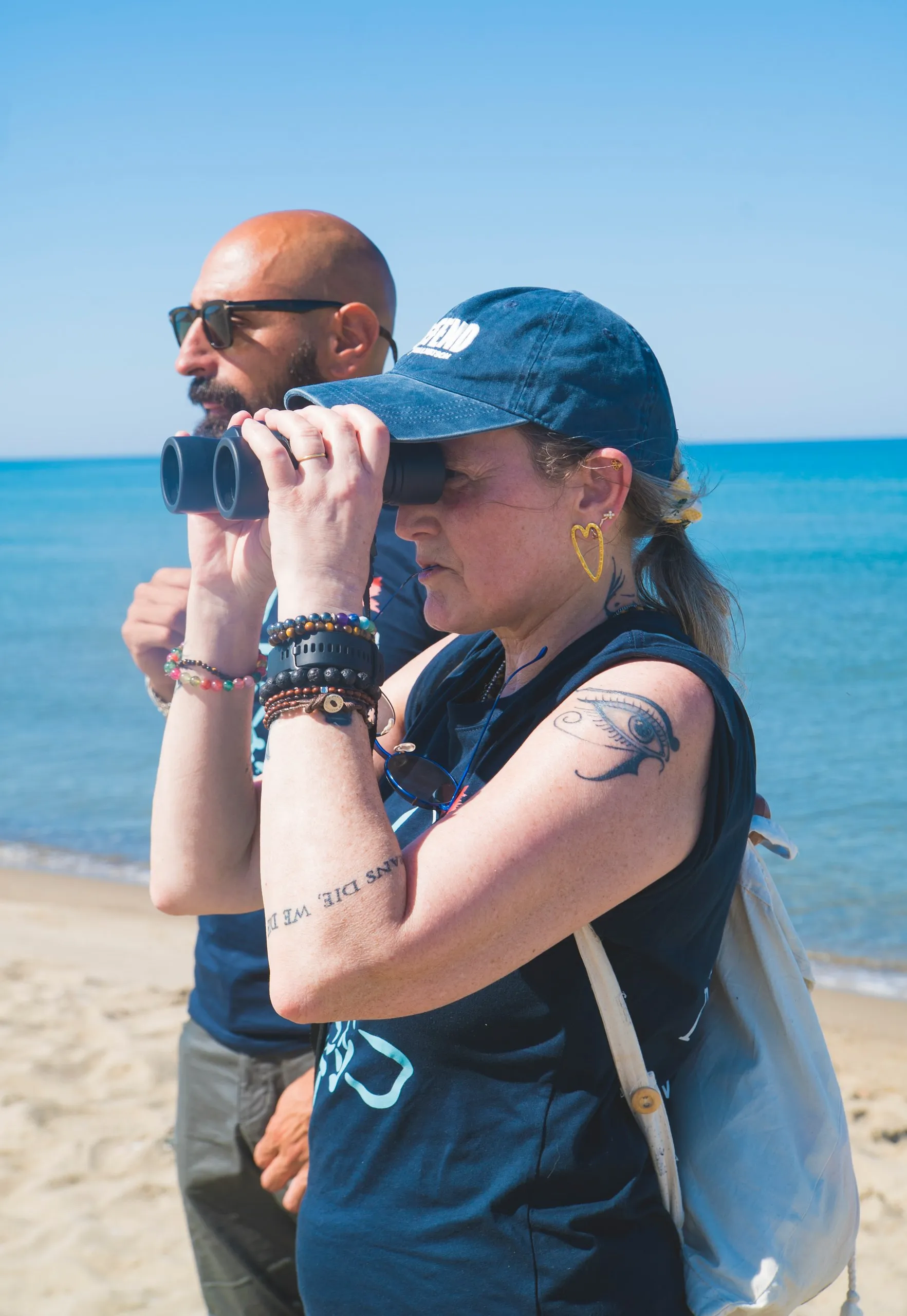
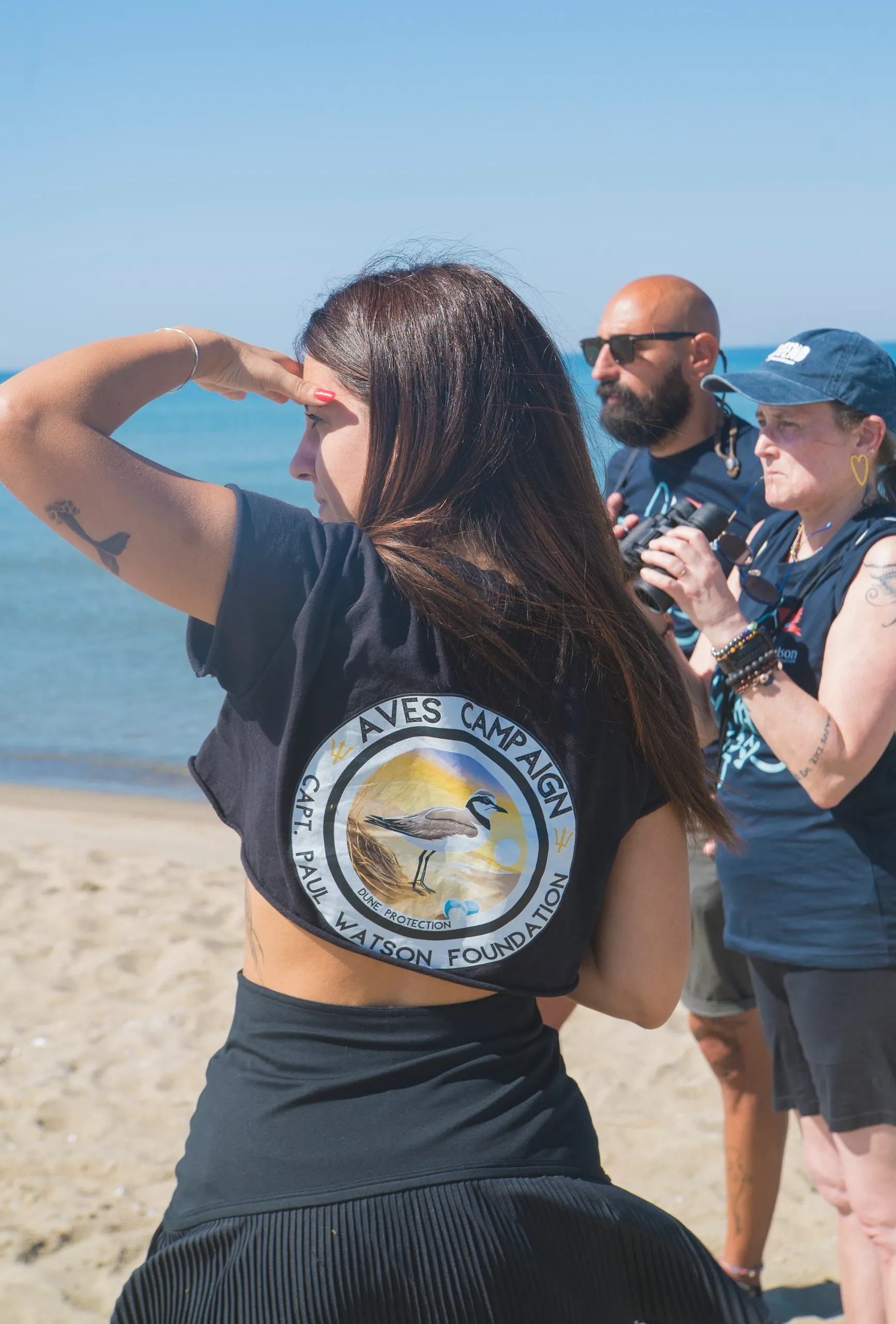
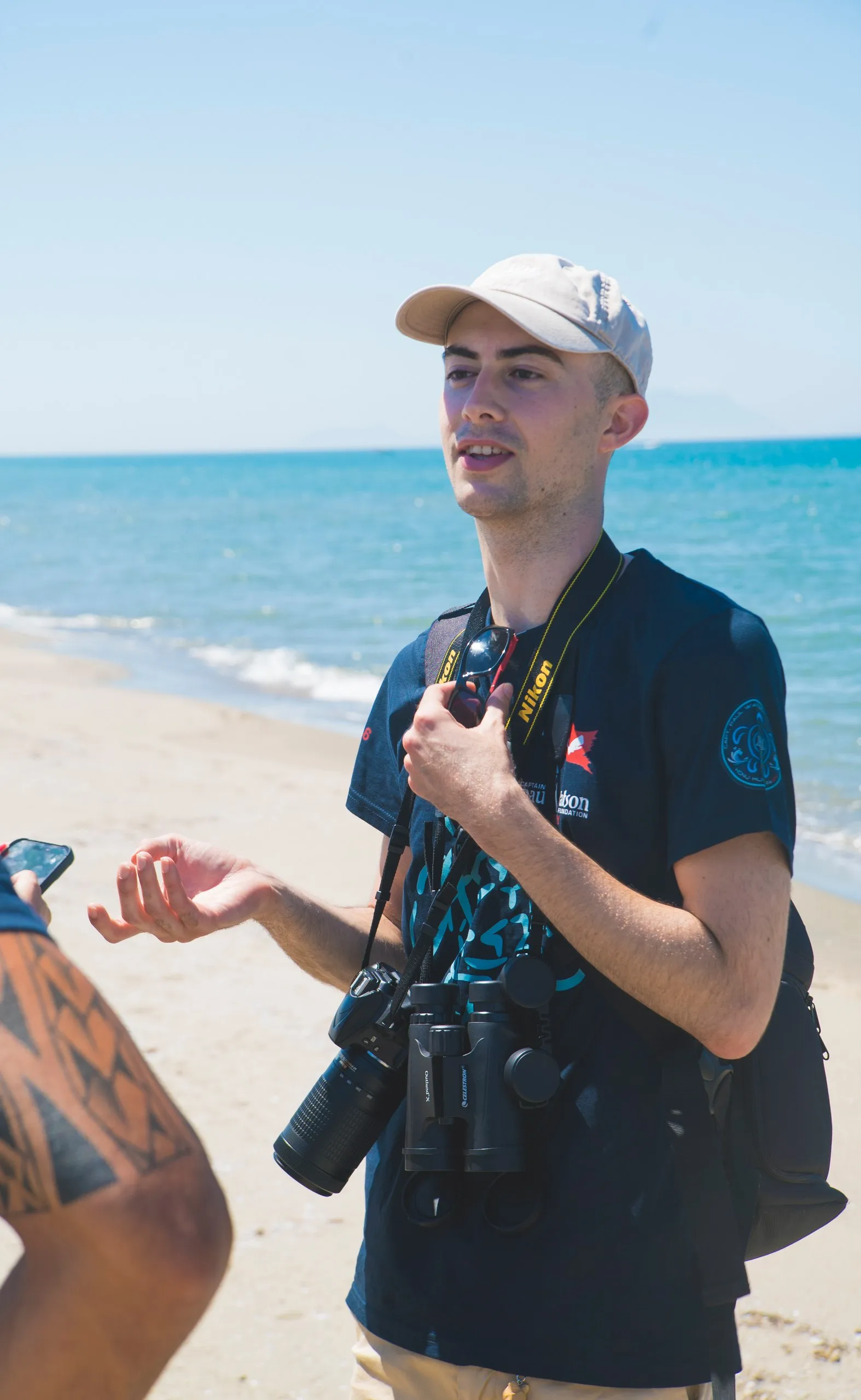
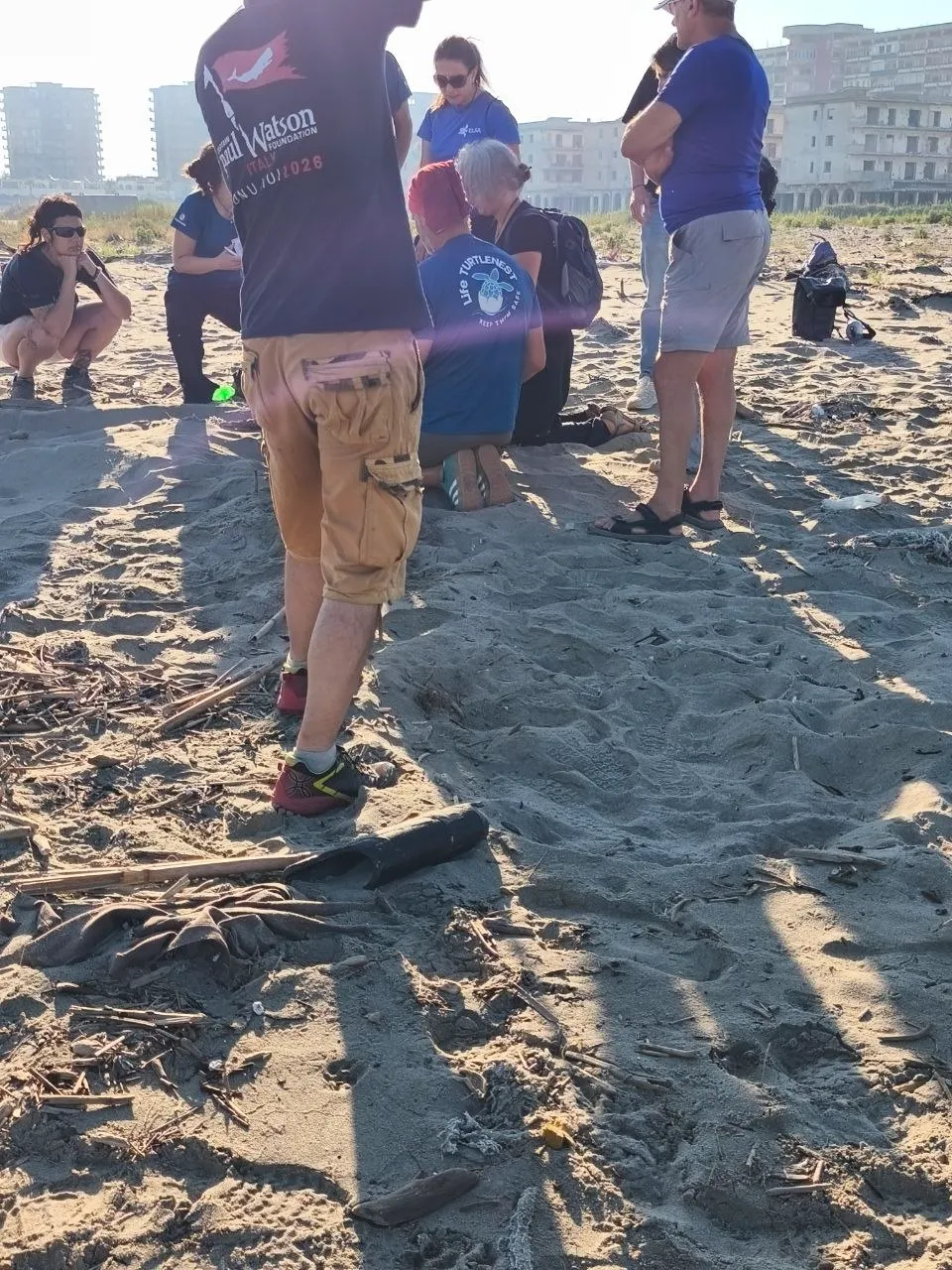
The Honu Hui campaign mobilizes a wide net of Captain Paul Watson Foundation Italy volunteers who monitor the vast Italian coastline, north to south throughout the entire nesting period. With drones, ultralight aircraft, and, above all, by walking kilometers upon kilometers of beach every single day.
As soon as volunteers identify traces of a possible nest, they secure the area. Then in collaboration with major academic institutions in the region they monitor and protect the site until the eggs hatch.
Protecting sea turtles helps preserve entire marine ecosystems. As predators and scavengers, they help maintain ecological balance in the sea. Every rescued turtle, protected nest, and cleaned beach can directly shape the survival of future generations.
"Conservation campaigns like Honu Hui are essential — not only to protect the reproduction of these legendary marine animals, but to raise public awareness of the fragile balance of Mediterranean life."
Captain Paul Watson Foundation Italia
In the debut year of Honu Hui, the tireless work of our volunteers delivered real results along the Campania coastline. Every figure below is a nest that reached the water.
250 km
Of coastline monitored throughout the entire nesting period.
15
Volunteers involved for the whole campaign, with many more supporters.
114
Nests found, 40 of them fully managed by our qualified volunteers.
~1,000
Newborn turtles safely released into the sea.
Building on the success of 2025, this year we aim to grow those numbers significantly, with more volunteers and additional logistical and technical resources.
The Honu Hui Experience 2026 project brings in volunteers from CPWF’s international chapters and partner organizations, driven by a shared passion for these animals and for marine ecosystems.
Stand with the volunteers walking the Italian coast this season. Support the campaign, or join the crew and protect the next generation of loggerheads.