Operation Tahlequah

Reduce Demand. Restore Balance.

Only 73 Southern Resident Killer Whales remain, and they are starving. We are working to keep more Chinook salmon in the ocean, where these endangered whales critically need it. Together, we can restore balance to the Pacific Northwest.

Tahlequah's Story

A mother's grief,
seen by the world.

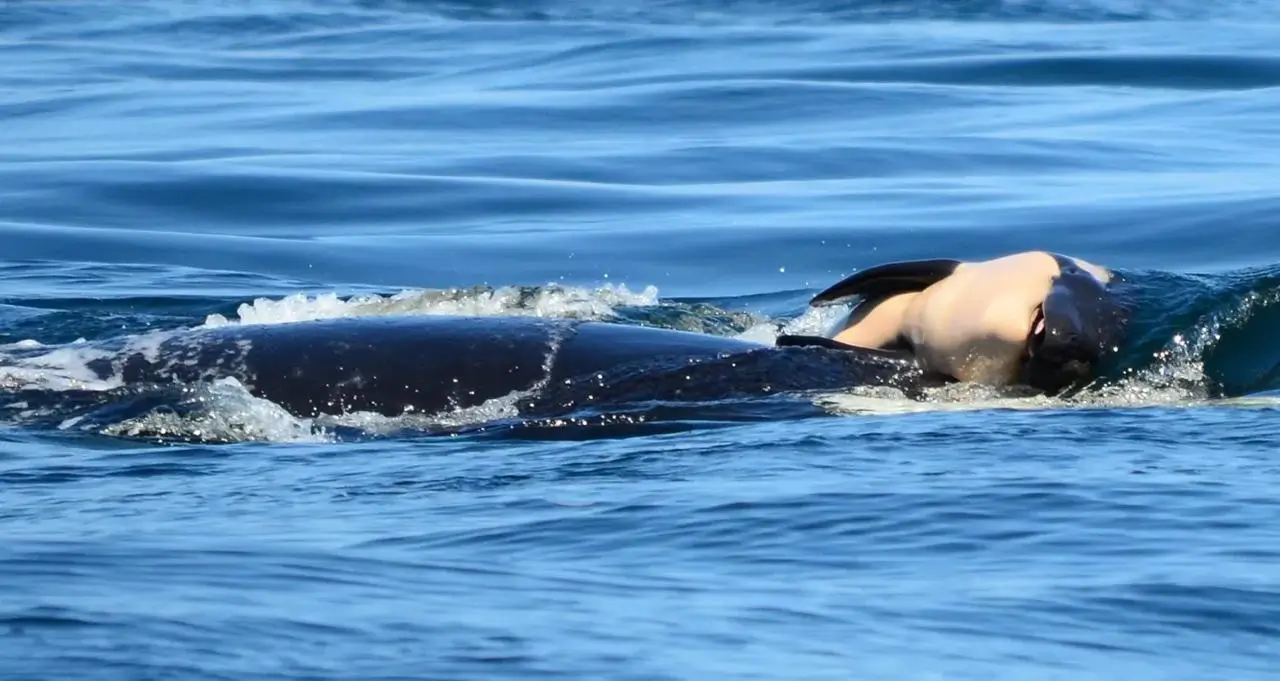
In 2018, the world watched in heartbreak as Tahlequah, a Southern Resident orca known as J35, became the symbol of a population in crisis.

PHOTO: MICHAEL WEISS / CENTER FOR WHALE RESEARCH • RESEARCH PERMIT NOAA/NMFS 21238

Tahlequah carried her dead calf for 17 days and more than 1,000 miles through the Salish Sea. Her grief became a symbol of a population that cannot survive without enough to eat.

In 2024, she gave birth again, and once again the calf did not survive. Once more, Tahlequah carried her baby for weeks. Without immediate action, stories like hers will continue.

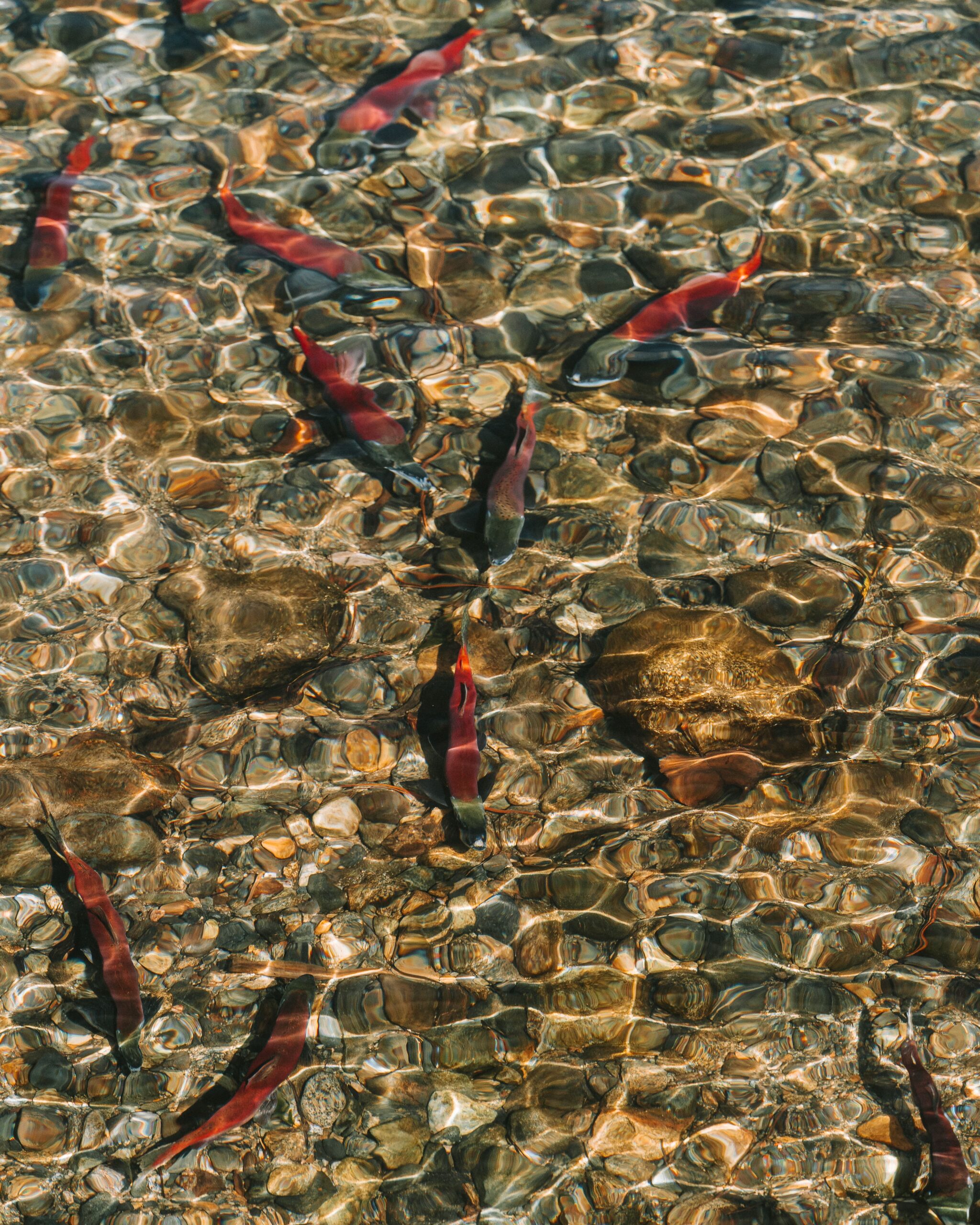
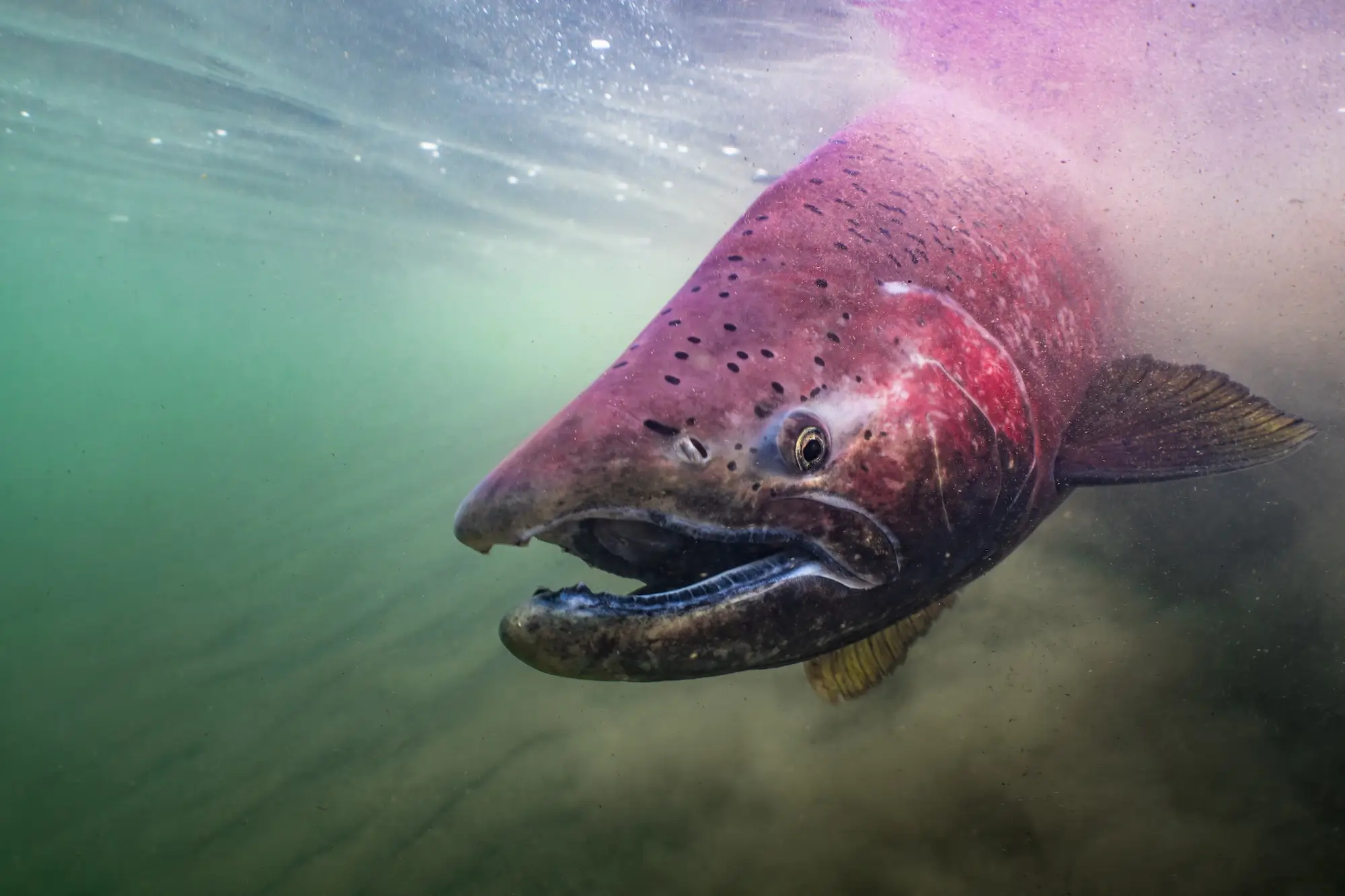
One of the greatest threats these whales face is the decline of Chinook salmon, their primary food source. Without it, they cannot raise healthy calves.

That is why the Captain Paul Watson Foundation is launching Operation Tahlequah. Our goal is simple: reduce demand for Chinook salmon and give the Southern Resident orcas a fighting chance.

Why This Matters

A species on the brink.

The Southern Resident Killer Whales have been endangered since 2005. Every loss pushes them closer to a point of no return, they are running out of time.

73

Whales remain

The entire Southern Resident population

2005

Endangered since

Two decades on the brink

66

Lost since listing

Deaths far outpacing births

7

Births in five years

Too few to recover

%
0

of their diet is Chinook.

These whales rely on Chinook salmon for roughly 80% of their diet and cannot adapt to other food sources. As salmon disappear, the whales starve. Saving them starts with saving their food.

No single cause. Compounding pressures.

Why are the Southern Residents Endangered?

Southern Resident decline cannot be reduced to one problem. These whales face a combination of pressures — and reversing any one of them helps.

The Science

Why does Chinook salmon matter?

This is one of the most important science-based facts behind this campaign — and the reason it targets Chinook specifically.

Southern Residents do not need occasional salmon. They need reliable access to enough large, energy-rich Chinook salmon to survive and raise calves.

%
~ 0

SHARE OF DIET • FALL

%
70- 0

Share of diet · Mid-winter / early spring

%
~ 0

Share of diet · Spring

Southern Residents can eat other fish, but Chinook are the prey they depend on most. That is why Operation Tahlequah focuses on asking restaurants and customers to leave Chinook/King salmon off the plate.

Chinook Salmon

Also Known As

THE ROOT OF THE CRISIS

WHY CHINOOK
ARE COLLAPSING.

Chinook salmon populations are collapsing under the weight of five compounding pressures, each one human-made, each one reversible.

01

OVERFISHING

Commercial and recreational harvest takes salmon the whales depend on.

02

Dams & habitat loss

Barriers cut salmon off from the rivers where they spawn.

03

Water mismanagement

Diversions and low flows leave rivers inhospitable to salmon.

04

Development

Coastal and riverside growth degrades critical spawning grounds.

05

Warming rivers

Climate-driven temperature rise makes rivers lethal to salmon.

The Columbia Connection

%+
0

More than half of the Chinook consumed by the Southern Residents originate in the Columbia River, yet critical solutions, like removing the Lower Snake River dams, remain unimplemented.

A Keystone Species

This isn't only
about whales.

Chinook are a keystone species. Their collapse ripples across the entire Pacific Northwest ecosystem, threatening:

OVERFISHING

SEALS

BIRDS OF PREY

MARINE LIFE REGION-WIDE

The Chinook Life Cycle

From river to ocean and back again.

Catching salmon at sea can affect both reproduction in rivers and prey availability for whales — the two are the same fish, at different points in one journey.

From River to Ocean and Back Again — Chinook Migration Map

Hover or tap a stage to follow one fish through its journey.

625871 446639 5174 Southern Residents N Open Pacific Salish Sea Headwaters Estuary
Life-cycle stage Where the cycle breaks

01

Chinook salmon hatch in freshwater rivers and streams

02

Juveniles migrate downstream to estuaries and the ocean

03

They grow and feed at sea

04

Adults return to their natal rivers to spawn

05

If they are caught before returning, they cannot reproduce

06

If they are removed from the ocean, they are also not available to Southern Residents

A Chinook salmon is part of a river-to-ocean life cycle. If it is caught before returning home, it cannot spawn, and it cannot feed whales.

Caught Far Away

Not all "Alaskan" salmon is Alaskan.

Many people may assume that salmon sold as “Alaskan” has no connection to Southern Residents or Salish Sea river systems. However, Chinook salmon from different river systems mix in the ocean and may be caught far from their natal rivers before they return to spawn.

Where a salmon is caught is not always where that salmon belongs ecologically.

An Obvious Question

If Chinook are endangered, why are they still sold?

In 2018, the world watched in heartbreak as Tahlequah, a Southern Resident orca known as J35, became the symbol of a population in crisis.

01

Not One Uniform Group

“Chinook salmon” is not managed as one single uniform group. Different Chinook populations, or Evolutionarily Significant Units, have different conservation statuses. Some are listed as endangered or threatened, while others are not.

02

Complex Management

Fisheries are managed through complex systems of treaties, quotas, seasons, hatchery production, stock assessments, and regulations. However, mixed-stock fisheries mean that fish from different origins may be caught together, including fish from depleted or protected populations.

Legal does not always mean simple. Some Chinook populations are more depleted than others, and mixed-stock fisheries can catch fish from different river origins before they return home.

Recurring Giving

Return to Sea. End Icelandic Whaling for good.

We must send a ship to Iceland immediately. Our goal is clear. As Captain Paul Watson has proven for decades, intervention works.

01

Engage Stores & Restaurants

We partner directly with grocery managers, seafood buyers, restaurant owners and chefs to remove Chinook salmon from menus and refrigerated cases, leaving this critical food supply for the whales.

Participants earn a Captain Paul Watson Foundation designation for their commitment to protecting SRKW.

02

Expose the Supply Chain

Most “Alaskan” Chinook sold in markets is not local. Through genetic testing, we aim to prove that many fish originate from endangered river systems in California and the Pacific Northwest.

Every mislabeled fish further depletes the Southern Residents’ food source.

03

Public Awareness & Advocacy

We partner directly with grocery managers, seafood buyers, restaurant owners and chefs to remove Chinook salmon from menus and refrigerated cases, leaving this critical food supply for the whales.

Key efforts centered in Oregon, Washington, California, and British Columbia.

Oregon, Washington, California, and British Columbia · Join the Movement

The "No Chinook Salmon" Pledge.

We’re asking restaurants and markets across Oregon, Washington, California, and British Columbia to voluntarily remove Chinook salmon from their menus and shelves. Every business that joins is one more ally for the Southern Resident orcas.

PLEDGE

Remove Chinook

RECEIVE

A window decal + customer cards

SIGNAL

A window decal

To make this work, we need to produce thousands of decals. If you own a printing company and can donate services, or contribute toward the cost, please reach out.

THE WINDOW DECAL

Displayed in the window, the decal lets customers know this business has chosen to stand with the Southern Resident orcas.

How You Can Help

Be a voice on the ground.

Calling for volunteers

Calling Oregon, Washington, California & British Columbia. If you live in the Pacific Northwest, we need volunteers to research restaurants and markets serving Chinook, send letters and emails to business owners, and speak with them in person.

01

Identify

Find restaurants and markets that currently serve Chinook salmon.

02

Invite

Contact owners and managers and ask them to join the campaign.

03

Speak up

Diversions and low flows leave rivers inhospitable to salmon.

04

Water mismanagement

Diversions and low flows leave rivers inhospitable to salmon.

What We Need

Fuel the campaign.

Placards, decals & educational materials

Customer awareness cards

Social media campaigns & outreach

Placards, decals & educational materials

Genetic testing of Chinook samples

Who We're Reaching

Across the supply chain.

Grocery stores — chains & independent

Seafood buyers & distributors

Social media campaigns & outreach

Placards, decals & educational materials

Colleges, universities & students

The Bottom Line

This is not just about whales. It's about all of us.

Tahlequah’s story touched millions of hearts around the world. We owe it to her, and to future generations of Southern Resident orcas, to do everything in our power to ensure these remarkable beings do not disappear.

If we reduce demand, we give Chinook salmon a chance to recover, and give the Southern Resident orcas a chance to survive.